AC Condensate Leak Water Damage Solutions for Cleveland Homeowners
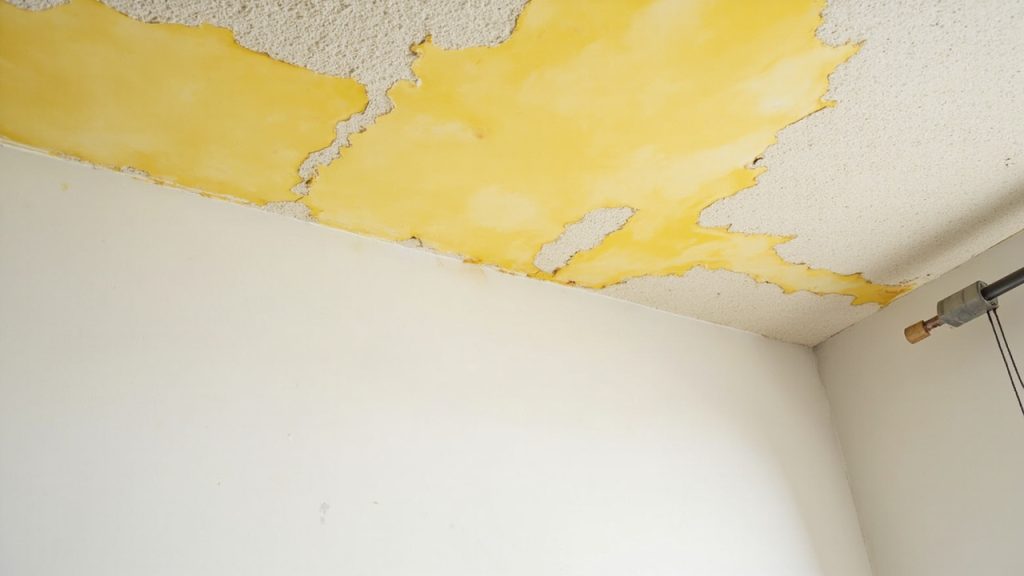
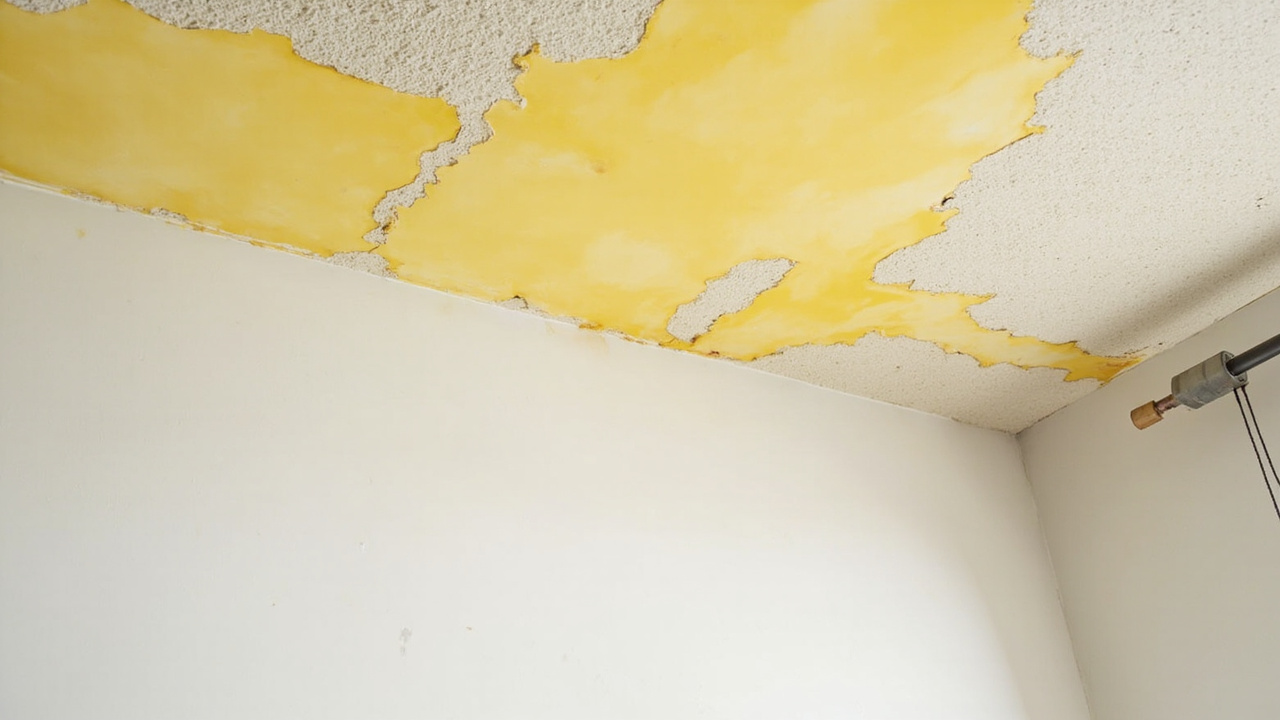
A yellow stain appearing on your second floor ceiling often signals a major problem in your attic. Most homeowners in Broadview Heights rely on central air conditioning units located in the crawl space or attic to stay cool during the humid Northeast Ohio summers. When these systems fail water has nowhere to go but down. Seeing water drip from a light fixture or through drywall is a stressful experience that requires immediate action to prevent structural failure. Understanding the mechanics of your cooling system and the science of structural drying can help you save your home from expensive repairs.
The humidity levels near Lake Erie often reach 80 percent or higher during the peak of 2026. This moisture puts an immense load on your HVAC system. Your air conditioner does more than just lower the temperature. It removes gallons of water from the air every single day. When the drainage system for that water fails the result is a localized flood directly above your living space. If you are already dealing with a major mess you should focus on finding the best water damage restoration pros in Cleveland to begin the drying process before mold takes hold.
Common Causes of AC Condensate Leaks in Ohio Homes
Your air conditioner uses an evaporator coil to cool the air. As warm air passes over the cold coil moisture condenses into liquid water. This water falls into a primary condensate pan and flows out of your home through a PVC drain line. In Broadview Heights several factors commonly interrupt this simple process. Algae growth is the most frequent culprit. The warm and dark environment inside a drain line is the perfect breeding ground for biological slime. Over time this sludge builds up until it creates a complete blockage. When the water cannot exit through the pipe it overflows the pan and enters your ceiling joists.
Another frequent issue involves the secondary drain pan. Most attic installations include a metal backup pan underneath the unit. This pan should have a dedicated drain line or a float switch. A float switch is a safety device that cuts power to the AC if water levels in the pan rise too high. If your float switch is broken or was never installed the water will simply spill over the edges of the metal pan. We often see this in older homes where systems have been updated without adding modern safety features. The weight of the water quickly saturates the attic insulation and the drywall below.
Frozen evaporator coils also lead to significant ceiling leaks. If your system has a refrigerant leak or a dirty air filter the coil can drop below freezing temperatures. Ice builds up on the unit and then melts rapidly once the system cycles off. This sudden rush of water often exceeds the capacity of the drain pan. If you suspect a pipe has also failed in another part of the house you may need to look into emergency Westlake burst pipe repair and professional water cleanup services to handle the excess moisture.
Hidden Dangers of AC Overflows
The damage from an AC leak is rarely limited to a simple water spot. Drywall loses its structural integrity the moment it becomes saturated. A standard sheet of drywall can hold a significant amount of water weight before it collapses. This creates a safety hazard for anyone standing beneath the leak. Furthermore the insulation in your attic acts like a giant sponge. Traditional fiberglass or cellulose insulation will trap moisture against the wooden framing members of your home. This leads to wood rot and creates an ideal environment for wood destroying insects.
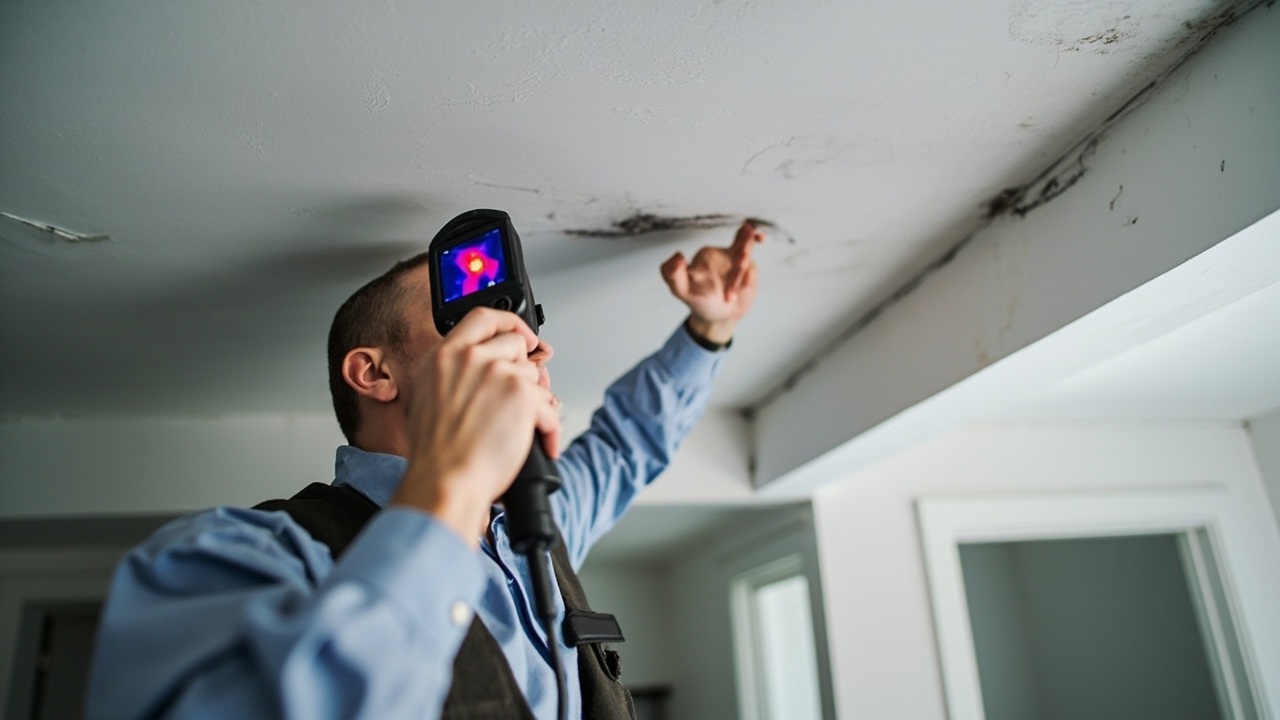
Mold is the most pressing concern following an AC leak in the 2026 climate. Microbial growth can begin in as little as 24 hours when the temperature and humidity are high. Because the leak occurs in the attic it often goes unnoticed until the mold has already colonized a large area of the ceiling and wall cavities. This is why professional mold remediation for Shaker Heights homeowners protecting your historic property is a standard part of our restoration discussions. We use thermal imaging and moisture meters to find hidden pockets of water that the naked eye cannot see.
Comparison of AC Leak Severity Levels
| Damage Level | Visual Signs | Required Action |
|---|---|---|
| Minor Drip | Small damp spot or faint yellow ring | Clean drain line and patch drywall |
| Moderate Leak | Peeling paint and sagging drywall | Extract water and remove wet insulation |
| Major Overflow | Water pouring from ceiling and light fixtures | Full structural drying and potential mold removal |
Immediate Steps to Take When You Spot an AC Leak
You must act within minutes of discovering a leak to minimize the total damage to your Broadview Heights home. The first step is to turn off the air conditioning system at the thermostat. This stops the production of new condensate immediately. You should also turn off the circuit breaker for the HVAC unit to ensure no electrical components are damaged while you work. If water is dripping through a light fixture do not touch the switch. Turn off the power to that entire circuit at the main panel.
Clear the area beneath the leak. Move furniture and electronics to a dry room. If the ceiling is sagging significantly you can use a small screwdriver to poke a hole in the center of the wet spot. This is called a controlled release. It allows the water to drain into a bucket rather than spreading horizontally across the entire ceiling. This simple step can often save the rest of the drywall from needing replacement. Once the immediate crisis is under control you may also need to check other areas of the home if you have noticed issues like get help now for flooded basements in Lakewood and restore your property fast for comprehensive moisture management.
Professional Restoration vs DIY Repair
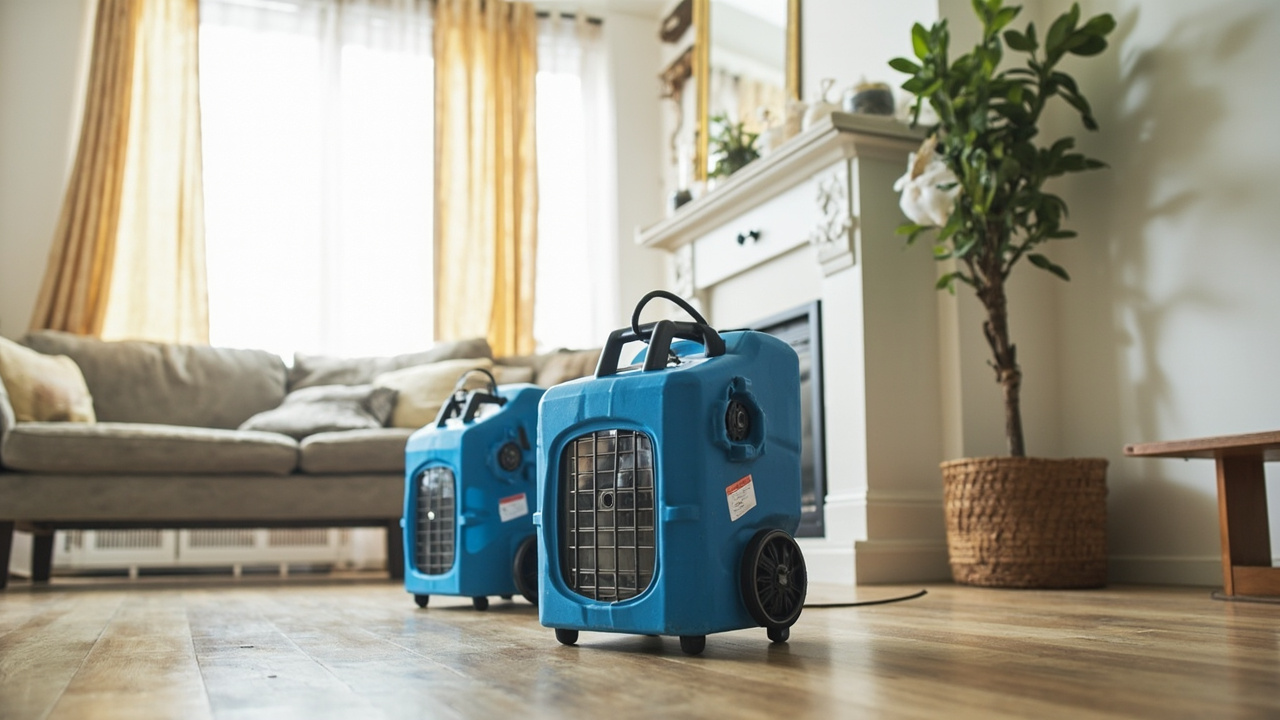
Many homeowners believe they can dry out a ceiling leak with a household fan. This is a mistake that often leads to expensive mold problems later. Standard fans do not have the static pressure required to push air into wall cavities or through thick attic insulation. Professional restoration involves the use of industrial grade LGR dehumidifiers and high velocity air movers. These tools are designed to lower the grains per pound of moisture in the air which pulls water out of the building materials through the process of evaporation.
We follow the IICRC S500 standards for professional water damage restoration. This involves a scientific approach known as psychrometrics. We calculate the exact amount of dehumidification needed based on the cubic footage of the affected area and the types of materials involved. For example drying out hardwood flooring requires a different approach than drying out a drywall ceiling. If your home has suffered from other water issues such as emergency steps when your sewer backs up in Parma you understand that every type of water requires a specific sanitization protocol.
Estimated Drying Timelines by Material
| Material Type | Drying Time with Pro Equipment | Drying Time with Household Fans |
|---|---|---|
| Standard Drywall | 2 to 3 days | Often never fully dries before mold grows |
| Attic Insulation | Replacement usually required | Never dries effectively |
| Structural Framing | 3 to 5 days | 7 to 10 days |
| Hardwood Flooring | 5 to 7 days | Permanent warping likely |
Our Cleveland Water Damage Restoration Process
When our team arrives at your Broadview Heights property we perform a comprehensive inspection. We use non invasive moisture meters to map the migration of the water. Just because a wall looks dry does not mean the studs behind it are safe. We prioritize saving as much of your original building material as possible. If the water was clean condensate we can often save the drywall if we begin the drying process within the first few hours. However if the water has sat for more than a day we must consider the risk of bacterial growth.
- Inspection and moisture mapping with thermal cameras.
- Water extraction using industrial vacuum systems.
- Removal of saturated insulation and non restorable materials.
- Application of EPA approved antimicrobial treatments to prevent mold.
- Installation of air movers and dehumidifiers.
- Daily monitoring of moisture levels until the drying goals are met.
- Final reconstruction and repair of drywall and paint.
The Environmental Protection Agency provides clear guidelines on why keeping humidity below 60 percent is critical for health. Our equipment ensures your home returns to these safe levels quickly. We also work directly with your insurance company to document the loss. We provide the dry down logs and thermal images they need to process your claim efficiently. This takes the stress off your shoulders so you can focus on getting your life back to normal.
Preventing Future AC Water Damage in High Humidity
Prevention is the best way to avoid the headache of a ceiling leak. You should have your HVAC system serviced twice a year. A technician will flush the condensate line with a specialized solution to kill any algae or slime. They will also check the condition of the primary and secondary pans. Installing a high quality float switch is the single best investment you can make. This device costs very little but can save you thousands of dollars in restoration costs by shutting down the unit before an overflow occurs.
You should also check your attic insulation regularly. If the insulation is blocking the airflow around your unit it can lead to condensation forming on the outside of the cabinet. This moisture will eventually drip onto your ceiling. Ensure that your attic has proper ventilation. Soffit and ridge vents help keep the attic temperature lower which reduces the strain on your air conditioner. In the current climate of 2026 these small maintenance steps are essential for every homeowner in the Cleveland metro area.
If you find yourself staring at a wet spot on your ceiling do not wait for it to dry on its own. The water you see is only a fraction of what is trapped in your ceiling. Contacting a specialist for an immediate moisture inspection is the only way to ensure your home remains safe and mold free. We serve the entire Broadview Heights community and the surrounding suburbs with rapid response times and expert restoration services. Your home is your biggest investment and we are here to help you protect it from the hidden dangers of AC condensate leaks.