



Cleveland sits on Lake Erie's southern shore, creating year-round moisture challenges that turn minor leaks into major disasters. Winter freeze-thaw cycles burst pipes in older homes from Ohio City to Shaker Heights. Spring storms overwhelm aging storm sewers in Tremont and Detroit-Shoreway, sending water into basements. Summer humidity keeps materials damp longer, accelerating mold growth within 24-48 hours.
The city's housing stock compounds these risks. Cleveland's pre-1940s homes feature stone foundations that absorb water like sponges. Hardwood floors common in these properties warp quickly when wet. The Cuyahoga River watershed drains directly through metropolitan Cleveland, making flash flooding a real threat during heavy rain events.
Property owners in Lakewood and Cleveland Heights face groundwater pressure from the glacial till soil that defines Northeast Ohio. This clay-heavy soil doesn't drain well, pushing water toward foundations during spring thaws. Without immediate extraction and drying, water sits in crawl spaces and saturates floor joists, creating structural problems that cost thousands more to fix later.
Horizon Water Damage Restoration Cleveland operates 24/7 with dispatch teams staged across Cuyahoga County. We reach flooded properties in University Circle, Kamm's Corners, and Collinwood within one hour because we know water damage gets exponentially worse with each passing hour. Our technicians train specifically on Cleveland's building types, from brick Tudors in Cleveland Heights to lakefront properties in Edgewater.
We handle insurance claims from documentation through settlement. Most Cleveland homeowners don't know their policy covers emergency mitigation costs, and adjusters often underestimate drying time in our humid climate. We photograph everything, use thermal imaging to find hidden moisture, and provide detailed reports that insurance companies accept without argument. This means you get proper restoration coverage, not a lowball settlement that leaves you paying out of pocket.
Our equipment fleet includes truck-mounted extraction units powerful enough to remove thousands of gallons in hours, not days. We deploy desiccant dehumidifiers that work even in cold basements where standard dehumidifiers fail. For sewage backups common in older Cleveland neighborhoods, we follow IICRC S500 standards for category 3 water contamination, removing affected materials and disinfecting everything properly.
We don't subcontract. The technician who answers your emergency call at 2 AM is the same person running equipment in your basement at 3 AM. No delays, no miscommunication, no excuses. Just fast water removal and professional drying that prevents secondary damage.

Our dispatch system routes the closest available crew to your Cleveland property within one hour. We arrive with truck-mounted extraction equipment and industrial blowers ready to work immediately. Fast response stops water from spreading to unaffected rooms and prevents the mold growth that starts within 24 hours in Cleveland's humid environment.

We document everything for your insurance claim and bill your carrier directly. Most Cleveland homeowners don't realize emergency water removal and drying are covered costs. We handle the adjuster communication, provide thermal imaging evidence of moisture penetration, and ensure you receive full coverage for proper restoration work.
Every Horizon technician holds current IICRC Water Damage Restoration certification. We follow industry standards for extraction, drying, and antimicrobial treatment. This matters when dealing with sewage backups or contaminated floodwater common in Cleveland. Proper protocol protects your health and prevents insurance claim denials due to improper remediation procedures.
Our crews know Cleveland's construction types inside out. We understand how water moves through stone foundations in Ohio City bungalows versus vinyl-sided ranch homes in Parma. This knowledge speeds up water location and removal. We know which walls hide plaster-and-lath that traps moisture and which neighborhoods have cast iron drain pipes prone to failure.
Water damage takes many forms in Cleveland homes and businesses. A burst pipe creates different challenges than a flooded basement or roof leak. Horizon Water Damage Restoration Cleveland provides comprehensive water removal, structural drying, and restoration services matched to your specific situation. We extract standing water, dry hidden moisture in walls and floors, remove damaged materials, and coordinate reconstruction.
Our service range covers every water emergency Cleveland property owners face. We handle sudden disasters like burst pipes and appliance failures that flood kitchens in minutes. We address chronic problems like foundation seepage and poor drainage that slowly damage basements over months. We remediate contaminated water from sewer backups and storm flooding that require specialized cleaning protocols.
Each water damage scenario requires different equipment, techniques, and safety measures. Clean water from a supply line needs fast extraction and drying. Gray water from washing machines or dishwashers requires antimicrobial treatment. Black water from sewage or river flooding demands full contamination protocol with protective equipment and material removal. We deploy the right response for your specific water damage category.
When water floods your Cleveland property, immediate extraction prevents damage from spreading. We deploy truck-mounted pumps that remove thousands of gallons per hour from basements, crawl spaces, and living areas. Our crews extract water from carpets, hardwood floors, and tile before it saturates subfloors and drywall. Fast water removal stops the clock on secondary damage and reduces overall drying time by days.
Removing standing water is just the first step. Materials stay wet for days without proper drying equipment. We position commercial air movers and desiccant dehumidifiers throughout affected areas to pull moisture from walls, floors, and building cavities. Thermal imaging cameras locate hidden water pockets. Daily moisture readings track drying progress until all materials reach safe levels that prevent mold growth.
Sewage backups and flood water from the Cuyahoga River contain dangerous bacteria and pathogens. We follow IICRC category 3 water protocols for contaminated cleanup. Technicians wear protective equipment while removing affected materials. We apply EPA-registered antimicrobial treatments to all surfaces contacted by sewage. Proper contamination protocol protects your family's health and meets insurance requirements for biohazard remediation.
Cleveland's climate and aging infrastructure create predictable water damage patterns across the metro area. Lake Erie's proximity keeps humidity levels high year-round, slowing natural drying and promoting mold growth. Winter temperatures regularly drop below freezing, causing pipe bursts when heating systems fail or homes sit vacant. The city's combined sewer system overflows during heavy rain, sending water into basements through floor drains.
Older neighborhoods built before 1950 face unique challenges. Stone and block foundations absorb groundwater during spring thaws. Original cast iron drain pipes corrode and fail after 70-plus years. Knob-and-tube wiring can't support the amperage modern appliances demand, leading to electrical fires that trigger sprinkler systems. These age-related failures happen suddenly and flood homes quickly.
Even newer Cleveland properties aren't immune. Clay soil common throughout Cuyahoga County expands when wet and contracts when dry, cracking foundation walls and creating entry points for water. Flat or low-slope roofs popular on mid-century ranch homes trap water when drains clog. HVAC condensate lines freeze in attics during cold snaps, then burst and flood ceilings when temperatures rise.
Cleveland winters freeze pipes in exterior walls, crawl spaces, and unheated areas. When pipes burst, hundreds of gallons flood rooms before homeowners locate shutoff valves. Copper and galvanized pipes in older homes are especially vulnerable. Immediate water extraction prevents subfloor saturation and protects hardwood floors common in Cleveland properties.
Stone foundations in pre-war Cleveland homes absorb groundwater during heavy rain and snowmelt. Water seeps through mortar joints and appears on basement floors. Sump pump failures during storms compound the problem. Without immediate extraction and drying, basement flooding creates permanent moisture problems that require expensive foundation waterproofing to fix properly.
Cleveland's combined sewer system overflows during heavy rain events, sending raw sewage through basement floor drains. This happens most in older neighborhoods where laterals connect to century-old mains. Sewage backup requires immediate contamination protocol with protective equipment and antimicrobial treatment. Insurance coverage depends on proper documentation and professional remediation.
Water heaters, washing machines, and dishwashers fail without warning in Cleveland homes. A burst water heater tank releases 40-50 gallons in minutes. Failed washing machine hoses flood laundry rooms and damage adjacent spaces. These appliance failures often happen overnight or while homeowners are away, allowing water to spread throughout first floors before discovery.
The moment you call Horizon Water Damage Restoration Cleveland, our emergency response protocol starts. You'll speak directly with a dispatcher who asks specific questions about your water damage situation. How much water is present? What's the source? Is water still flowing? These questions help us send the right equipment and crew size to your Cleveland property.
We provide an estimated arrival time based on your location and current crew positions across Cuyahoga County. Most Cleveland properties receive response within 60 minutes. While crews mobilize, our dispatcher walks you through immediate safety steps like shutting off water sources and moving valuables away from affected areas.
When our crew arrives, the lead technician introduces the team and explains the water removal process. We conduct a detailed assessment using moisture meters and thermal imaging cameras to map all affected areas, including hidden water behind walls and under floors. You'll receive a clear explanation of what equipment we're deploying and how long the drying process will take based on the extent of saturation.
We document everything with photographs and detailed notes for your insurance claim. Most Cleveland homeowners have never filed a water damage claim and don't know what documentation adjusters require. We handle that complexity so you can focus on getting your property back to normal.
Our technicians arrive with truck-mounted extraction equipment ready to work. We assess the damage scope using moisture detection technology, then immediately begin removing standing water. Powerful extraction units pull water from carpets, hardwood floors, and tile surfaces. We move furniture to dry areas and remove wet contents that can't be salvaged. This initial extraction typically takes two to four hours depending on water volume.
After extraction, we position commercial air movers and dehumidifiers throughout affected spaces. Equipment runs continuously for three to five days, depending on materials and saturation levels. Our technicians return daily to take moisture readings in floors, walls, and baseboards. We adjust equipment placement as drying progresses. You'll receive daily updates showing moisture levels dropping toward normal ranges.
We provide your insurance company with complete documentation including moisture readings, thermal images, and equipment logs. Once adjusters approve your claim, we coordinate any needed reconstruction like drywall replacement or flooring installation. Most Cleveland water damage claims settle within two weeks when properly documented. We handle the paperwork so you're not fighting with adjusters while dealing with a flooded home.
Water damage restoration follows a systematic approach that prevents secondary damage and ensures complete drying. Every step matters when you're racing against mold growth and structural deterioration.
When you call (216) 547-1277, our dispatcher logs your Cleveland location and water damage details. We send the closest available crew with appropriate equipment for your specific situation. You receive an estimated arrival time and immediate safety guidance. Our system tracks crew location so you know exactly when help arrives. Most Cleveland properties receive response within 60 minutes of initial contact.
Crews arrive and immediately begin water removal using truck-mounted extraction equipment. We remove standing water from all affected areas, then deploy air movers and dehumidifiers to dry remaining moisture in building materials. Thermal imaging cameras locate hidden water pockets behind walls and under floors. We monitor moisture levels daily and adjust equipment placement as drying progresses through affected spaces.
Once moisture levels return to normal ranges, we remove drying equipment and begin restoration work. This includes replacing damaged drywall, reinstalling baseboards, and coordinating any needed flooring replacement. We provide your insurance company with complete documentation supporting your claim. Most Cleveland water damage restorations complete within two weeks from initial flood event to final repairs.
The water damage restoration industry follows IICRC S500 standards that classify water by contamination level and guide proper remediation protocols. These categories determine what equipment we use, what safety measures technicians follow, and what materials require removal versus drying.
Category 1 water comes from sanitary sources like supply lines, faucets, and appliance supply connections. This clean water poses no immediate health risk but becomes Category 2 if it contacts building materials for more than 48 hours. Category 1 cleanup focuses on rapid extraction and thorough drying to prevent microbial growth.
Category 2 water contains biological or chemical contamination that can cause illness if ingested. Sources include washing machine discharge, dishwasher overflow, toilet overflow with urine but no feces, and sump pump failures. Category 2 cleanup requires antimicrobial treatment of all affected surfaces and disposal of porous materials like insulation that absorbed contaminated water.
Category 3 water is grossly contaminated and contains pathogenic bacteria, toxins, or hazardous chemicals. Sources include sewage backups, river flooding, storm surge, and any water that sat stagnant for more than 72 hours. Category 3 remediation follows strict containment protocols. Technicians wear personal protective equipment including respirators. All porous materials contacted by Category 3 water get removed and disposed of properly. Hard surfaces receive thorough cleaning with EPA-registered disinfectants.
Cleveland properties often experience Category 3 water during spring floods and sewer backups. The combined sewer system overflows during heavy rain, sending raw sewage through basement floor drains in older neighborhoods. Proper remediation protects your family's health and satisfies insurance requirements. Cutting corners on contaminated water cleanup creates liability issues and health risks that far exceed any short-term cost savings.
Professional water damage assessment uses thermal imaging cameras that detect temperature differences caused by moisture in walls, ceilings, and floors. Infrared technology reveals wet areas invisible to the naked eye. Pin-type and non-invasive moisture meters quantify water content in wood, drywall, and concrete. These readings establish drying targets and track progress toward complete moisture removal.
Structural drying requires commercial-grade equipment sized to room volume and moisture load. Low-grain refrigerant dehumidifiers work in temperatures above 60 degrees. Desiccant dehumidifiers operate in cold basements where standard units fail. Air movers create airflow across wet surfaces to speed evaporation. Most Cleveland water damage dries in three to five days with proper equipment density and placement.
Homeowners insurance typically covers sudden and accidental water damage like burst pipes and appliance failures. Coverage excludes gradual damage from long-term leaks and flood damage from external water sources. Emergency mitigation costs including water extraction and drying are covered even before claim approval. Proper documentation with moisture readings and equipment logs prevents claim disputes over restoration necessity.
Mold spores begin colonizing wet building materials within 24 to 48 hours in Cleveland's humid climate. Professional water damage restoration prevents mold by achieving complete drying within this critical window. EPA guidelines recommend removing porous materials like insulation and drywall that absorbed Category 3 water because surface cleaning cannot eliminate embedded contamination that feeds mold growth.
Horizon Water Damage Restoration Cleveland maintains rapid response capability throughout the Cleveland metropolitan area and surrounding Cuyahoga County communities. Our strategic positioning allows crews to reach flooded properties from Downtown Cleveland to the eastern suburbs within one hour of your emergency call.
We serve the historic neighborhoods west of the Cuyahoga River including Ohio City, Tremont, and Detroit-Shoreway where aging infrastructure creates frequent water damage emergencies. These areas feature pre-1920s construction with stone foundations that absorb groundwater during spring thaws and summer storms. Basement flooding is common when the combined sewer system overflows during heavy rain events that overwhelm capacity.
East side communities from University Circle through Cleveland Heights and Shaker Heights present different challenges. Properties here range from historic mansions with complex rooflines prone to ice dam damage to post-war ranch homes with concrete block foundations. We know which streets have chronic drainage problems and which neighborhoods experience repetitive sewer backup issues during storms.
Lakefront properties from Edgewater through Euclid face unique moisture challenges. Lake Erie's proximity keeps humidity levels high year-round, extending drying times and promoting mold growth in wet building materials. Winter storms drive moisture through exterior walls and around window frames. These properties require aggressive dehumidification and thorough moisture mapping to locate all affected areas.
The inner-ring suburbs of Lakewood, Parma, and Garfield Heights feature mid-century construction that's reaching the age where mechanical systems fail. Water heaters burst, washing machine hoses rupture, and supply lines corrode through after 40-plus years of service. These sudden failures flood homes quickly, often when families are away at work or school.
Horizon Water Damage Restoration Cleveland operates from our Cuyahoga County facility with equipment and personnel ready to deploy across the metro area. We understand the building types, soil conditions, and infrastructure challenges unique to each Cleveland neighborhood. This local knowledge speeds up assessment and ensures we bring the right equipment for your specific water damage situation.
Horizon Water Damage Restoration Cleveland proudly serves the entire Cleveland area and its surrounding communities. Our team is strategically located to ensure a rapid response to your water damage emergency. We are committed to being there for you when you need us most. Please view the map to see our service area and feel free to reach out to us with any questions or for immediate assistance.
Address:
Cleveland, OH, 44113

Homeowners in Orange Village often face unique challenges when it comes to chimney maintenance. The weather patterns in Northeast Ohio create a harsh environment for masonry structures. In 2026, we have seen an increase in…
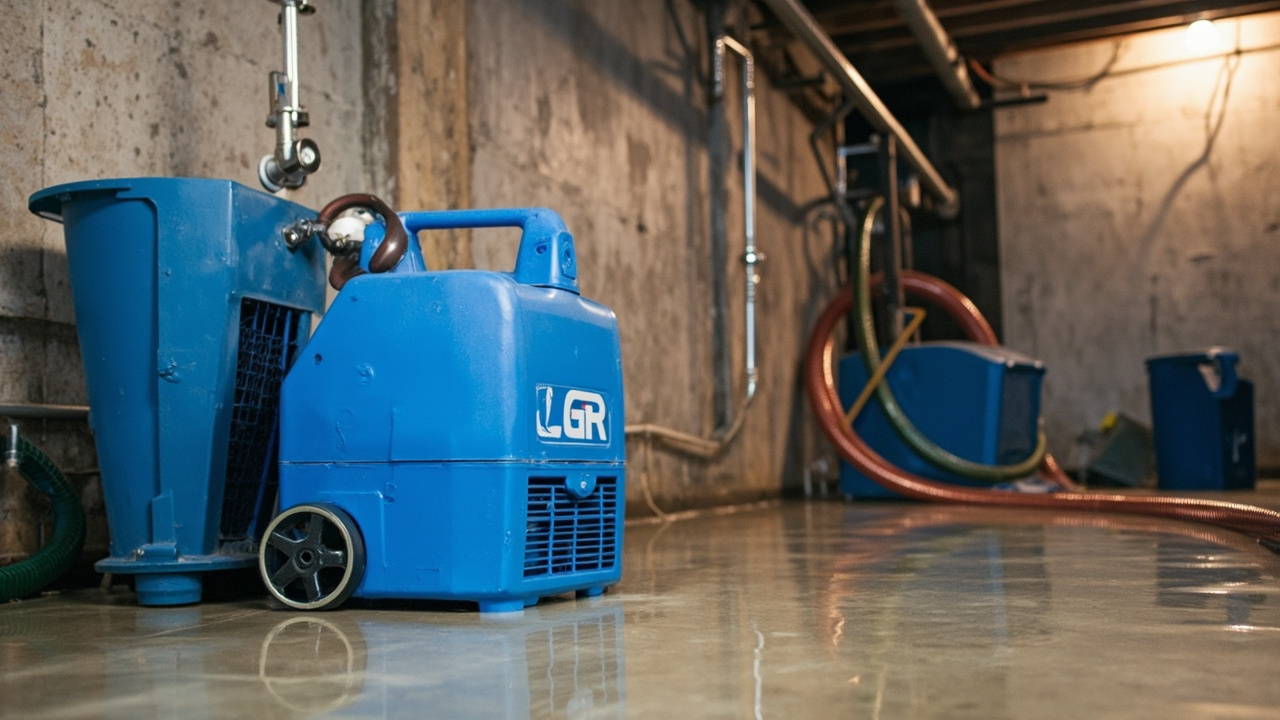
South Euclid basements face a relentless battle against groundwater due to the heavy clay soil…
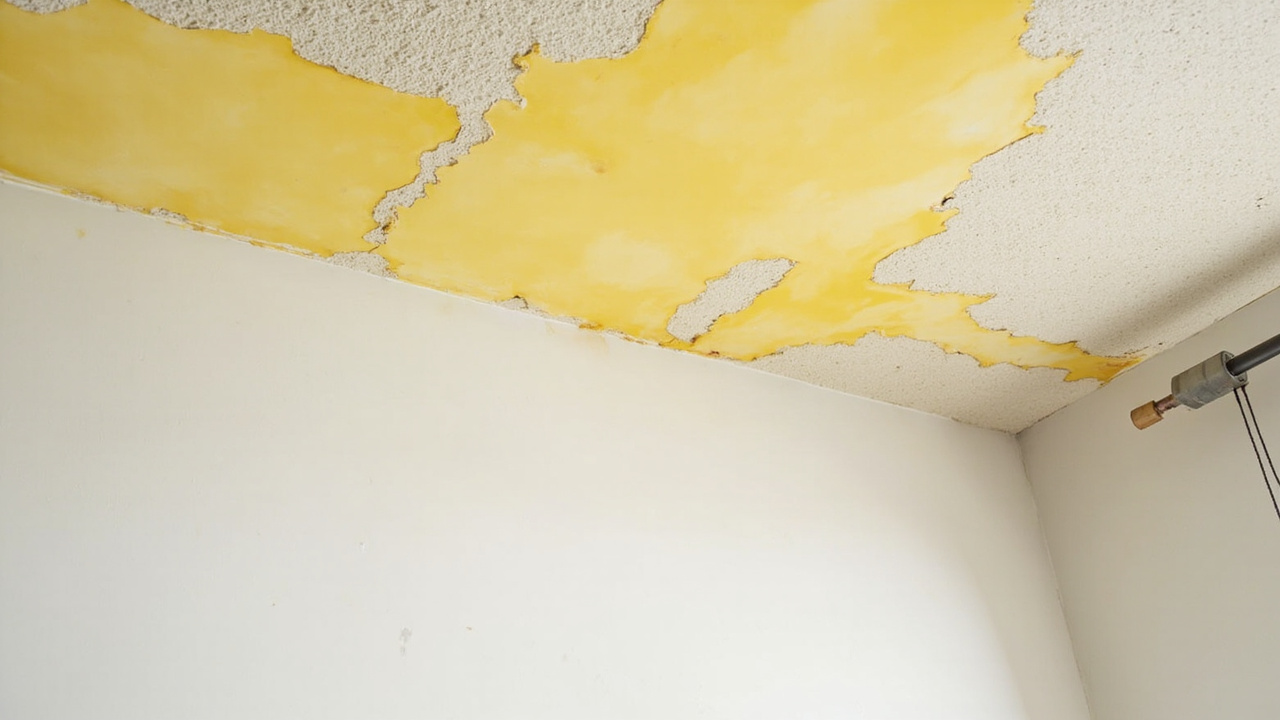
AC Condensate Leak Water Damage Solutions for Cleveland Homeowners A yellow stain appearing on your…
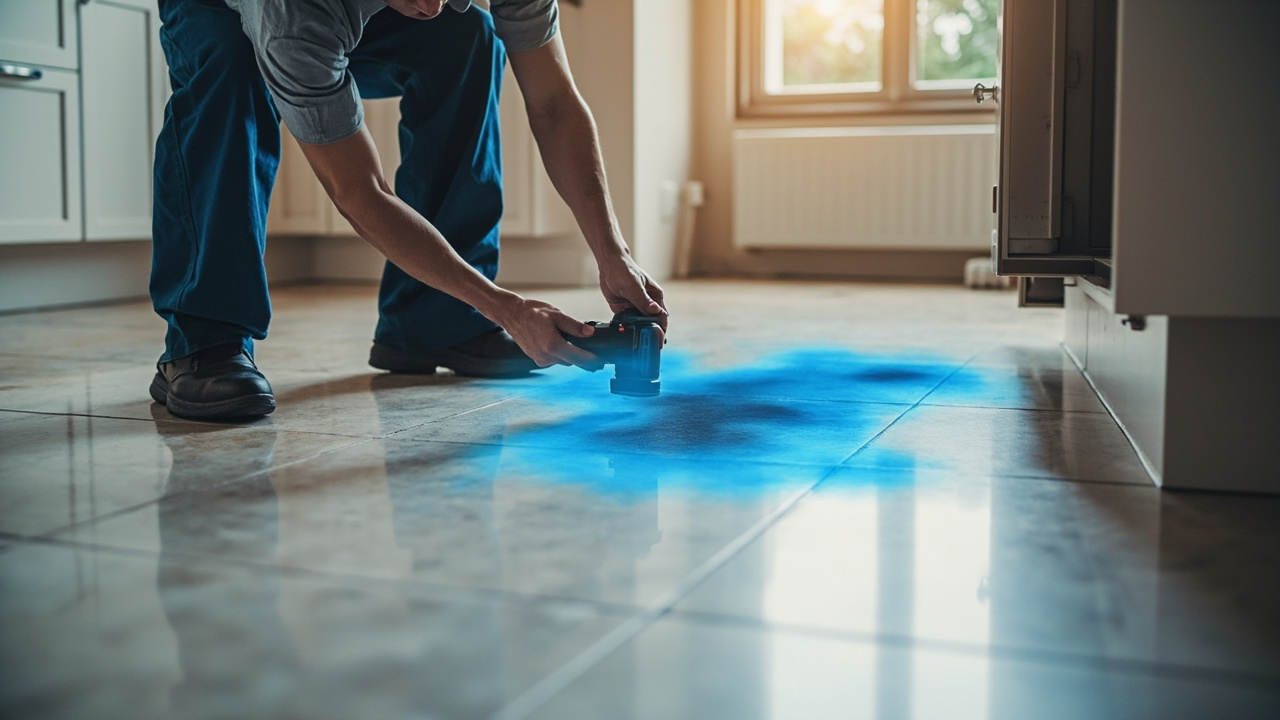
Water trapped under kitchen tile is a hidden threat for many Woodmere homeowners. You might…
Water damage spreads every minute you wait. Call Horizon Water Damage Restoration Cleveland now at (216) 547-1277 for emergency response anywhere in Cleveland. Our crews arrive within 60 minutes with professional extraction equipment and start removing water immediately.