




University Heights sits in the snow belt east of Cleveland, where lake effect precipitation dumps excessive moisture on older housing stock built between the 1920s and 1950s. Most homes feature basements with stone foundations and clay tile drainage systems that fail under hydraulic pressure during spring thaw cycles and heavy rainfall events.
The Shaker Boulevard corridor and neighborhoods near John Carroll University contain brick homes with flat or low-slope roofs that pond water and develop ice dams during winter months. When ice melts, water migrates under shingles and through brick mortar joints, saturating wall cavities and ceiling assemblies. The clay soil common throughout Cuyahoga County expands when saturated, pushing against foundation walls and cracking perimeter drains that should channel water away from structures.
Many University Heights properties have original cast iron drain lines and galvanized supply pipes that corrode from the inside, developing pinhole leaks that go undetected until significant damage occurs behind walls and under floors. The combination of aging infrastructure, heavy precipitation, and soil conditions creates perfect conditions for water intrusion that requires immediate professional mitigation to prevent permanent structural damage and microbial growth.
We understand the specific construction challenges of University Heights housing stock because we've restored hundreds of properties throughout Cuyahoga County over the past decade. Our technicians know the difference between addressing water damage in a 1930s brick colonial with plaster walls versus a 1970s split-level with drywall construction. This knowledge determines extraction methods, drying protocols, and equipment placement that actually works.
When you call our dispatch line, you reach someone who lives and works in greater Cleveland, not a national call center routing your emergency to the lowest bidder. We maintain our equipment fleet at our local facility, which means we arrive with truck-mounted extraction units, commercial dehumidifiers, and thermal imaging cameras already loaded and ready to deploy. Our technicians hold IICRC Water Damage Restoration certifications and complete ongoing training in moisture science, microbial remediation, and structural drying protocols.
We handle insurance coordination from first contact through final billing, documenting every phase with digital moisture mapping and photographic evidence that adjusters require to approve claims. You receive a dedicated project manager who communicates daily about drying progress, answers questions about timelines, and coordinates with contractors if reconstruction becomes necessary. We don't disappear after extraction. We monitor moisture levels until your property reaches equilibrium, typically 3 to 5 days depending on materials affected and extent of saturation. Our goal is complete mitigation that prevents secondary damage and gets you back to normal life as quickly as physics allows.

Our dispatch system alerts the nearest crew within minutes of your call, and we guarantee arrival within one hour anywhere in University Heights. Fast response reduces extraction time, limits material damage, and prevents mold colonization that begins within 24 to 48 hours of water intrusion. Speed determines the difference between minor repairs and major reconstruction.

We work with every major carrier and handle documentation, estimating, and negotiation on your behalf. You won't chase paperwork or argue with adjusters. We submit moisture readings, thermal images, and detailed scope of work that meets Xactimate standards insurers use to evaluate claims. Most customers pay only their deductible while we handle the rest.
Every crew member holds Institute of Inspection Cleaning and Restoration Certification in water damage restoration and applied structural drying. These credentials require examination on moisture science, psychrometry, and proper drying protocols. Certification means we follow science-based procedures that protect your property instead of guessing at equipment placement or extraction methods.
We've restored properties in every University Heights neighborhood and understand local construction methods, soil conditions, and climate factors that affect drying requirements. This regional knowledge informs our approach to basement flooding, ice dam damage, and plumbing failures common to older housing stock throughout the area. Local experience produces better outcomes.
Water damage restoration requires different approaches depending on the source, category, and extent of contamination. A burst supply line produces clean water that requires extraction and drying but minimal sanitization. A sewage backup introduces category 3 contamination that requires antimicrobial treatment and disposal of porous materials. A roof leak creates hidden moisture in wall cavities that demands thermal imaging to locate and structural drying to remediate.
Horizon Water Damage Restoration Cleveland provides the full spectrum of mitigation and remediation services based on the specific conditions we document during assessment. We match equipment, techniques, and timelines to the physics of drying different materials. Hardwood flooring requires different humidity control than carpet over concrete. Plaster walls hold more moisture than drywall and demand longer drying cycles with precise airflow management.
Our service categories address the three primary water damage scenarios University Heights property owners face throughout the year. Each requires specialized knowledge, equipment, and protocols to achieve complete mitigation without causing secondary damage during the restoration process itself. The right approach depends on accurate assessment of moisture content, material porosity, and contamination level.
We deploy truck-mounted extraction units capable of removing thousands of gallons per hour from basements, crawl spaces, and living areas. Our crews use submersible pumps for standing water, then transition to weighted extraction wands that pull moisture from carpet, padding, and upholstery. We remove baseboard trim to extract water trapped behind walls and drill weep holes in wall cavities when thermal imaging reveals hidden saturation. Speed matters because every hour of standing water increases material damage and contamination risk.
After extraction, we establish controlled drying environments using commercial air movers and refrigerant dehumidifiers positioned according to psychrometric calculations. We monitor moisture content daily using penetrating moisture meters and non-invasive sensors that track drying progress in wood framing, concrete, and gypsum assemblies. Drying continues until materials reach equilibrium moisture content appropriate for your climate zone. We document readings for insurance purposes and adjust equipment placement as conditions change throughout the drying cycle.
Sewage backups and toilet overflows require containment, extraction, and antimicrobial treatment following IICRC S500 standards for category 3 contamination. We remove contaminated porous materials that cannot be sanitized, including drywall, insulation, carpet, and padding. Hard surfaces receive cleaning with EPA-registered disinfectants proven effective against bacteria, viruses, and pathogens present in sewage. Our technicians wear personal protective equipment and establish negative air pressure to prevent cross contamination during remediation work.
The age and construction methods of University Heights housing stock create predictable failure points that lead to water intrusion. Most properties were built before modern waterproofing technology, relying on gravity drainage and clay tile systems that crack and collapse over time. Original plumbing installed 70 to 90 years ago has exceeded design life and fails without warning.
Spring thaw cycles create the highest volume of water damage calls when snow melt overwhelms perimeter drains and hydrostatic pressure forces water through foundation cracks and mortar joints. Summer storms with high rainfall rates exceed the capacity of gutters and downspouts, dumping water against foundations. Winter ice dams form on low-slope roofs common throughout the Shaker Boulevard corridor, forcing meltwater under shingles and into attic spaces.
Understanding these patterns helps property owners recognize warning signs before minor issues become major damage events. The problems below represent the most frequent water damage scenarios we address in University Heights, each requiring immediate professional response to minimize loss.
Clay tile drainage systems installed during original construction collapse under soil pressure, allowing groundwater to enter through foundation cracks and cove joints. Spring thaw and heavy rainfall events overwhelm remaining drainage capacity, flooding basements with inches of standing water. Failed sump pumps compound the problem when mechanical failure occurs during peak demand periods.
Inadequate attic insulation allows heat loss that melts snow on roof surfaces. Meltwater refreezes at eaves, creating ice dams that pond water on flat roof sections. Water backs under shingles, saturates roof decking, and drips through ceiling assemblies into living spaces. Damage often goes unnoticed until staining appears on ceilings or water drips from light fixtures.
Galvanized steel pipes corrode from inside, developing pinhole leaks behind walls and under floors. Copper pipes fail at soldered joints from decades of thermal expansion cycles. Washing machine hoses burst under constant pressure, flooding laundry areas and adjacent rooms. These failures release hundreds of gallons before discovery, saturating framing, insulation, and finish materials throughout multiple rooms.
Combined sewer systems serving University Heights become overwhelmed during heavy rainfall, causing backflow through floor drains and basement toilets. Tree root intrusion into clay sewer laterals creates blockages that force sewage into homes. These category 3 contamination events require immediate extraction, disposal of affected materials, and antimicrobial treatment to prevent health hazards.
Water damage creates panic because you're watching destruction happen in real time. Our process focuses on stopping damage progression immediately while providing clear information about what happens next. You won't wait for callbacks or wonder when help arrives.
Our dispatch system alerts the nearest crew within minutes of your call. You receive confirmation with technician names and estimated arrival time. We ask specific questions about the water source, extent of flooding, and safety concerns so crews arrive prepared with appropriate equipment. If the situation requires immediate action like main water shutoff or emergency board-up, we provide guidance while crews are en route.
Upon arrival, technicians assess conditions, document damage with photos and moisture readings, then begin extraction and mitigation immediately. We explain findings, answer questions about insurance coverage, and provide a detailed scope of work before starting restoration procedures. You'll understand timelines, know what equipment we're using, and receive daily updates about drying progress. We stay until your property reaches stable equilibrium and all materials test dry according to industry standards.
You speak with a live person who understands water damage, not a voicemail system or offshore call center. We confirm your location, ask about immediate safety concerns, and dispatch the nearest crew within minutes. You receive a callback with technician names and arrival time, typically within 30 to 60 minutes for University Heights addresses. We stay in communication from first contact through project completion.
Our technicians inspect affected areas using thermal imaging cameras and moisture meters to identify all wet materials, including hidden moisture behind walls and under floors. We document findings with photos and measurements your insurance company requires. You receive an honest evaluation of what can be dried versus what requires replacement. We don't recommend unnecessary demolition or inflate estimates. Our goal is complete mitigation using the least invasive methods possible.
We visit daily to check moisture levels, adjust equipment, and document progress. You receive updates about drying conditions and projected completion timelines. Equipment typically runs 3 to 5 days depending on materials affected and extent of saturation. We don't remove equipment based on schedules. We remove equipment when materials test dry according to IICRC standards, confirmed with calibrated moisture detection instruments and documented for your records.
Successful water damage restoration follows scientific principles of moisture removal and controlled drying. We use a systematic approach based on IICRC standards that guides every decision from initial assessment through final verification.
Call our 24/7 dispatch line at (216) 547-1277 and speak immediately with a water damage specialist who confirms your location and situation. We dispatch the nearest crew within minutes and provide estimated arrival time. Technicians arrive within 60 minutes with extraction equipment, moisture detection tools, and containment materials. We begin damage assessment and water removal immediately upon arrival while documenting conditions for insurance purposes.
We remove standing water using truck-mounted extraction units and submersible pumps, then extract moisture from carpet, padding, and upholstery. Technicians position commercial air movers and dehumidifiers according to psychrometric calculations that account for temperature, humidity, and material porosity. We monitor moisture levels daily, adjusting equipment placement as conditions change. Drying continues until materials reach equilibrium moisture content verified by penetrating moisture meters.
We conduct final moisture testing throughout affected areas to confirm all materials have reached acceptable dryness levels. You receive documentation showing moisture readings at initial assessment and completion, plus photos of equipment placement and affected areas. We coordinate with your insurance adjuster to finalize claims and provide referrals to qualified contractors if reconstruction is necessary. Equipment is removed only after complete drying verification.
Professional water damage restoration follows IICRC S500 Standard and Reference Guide for Professional Water Damage Restoration, which establishes protocols for assessment, classification, and mitigation procedures. This standard defines water categories based on contamination level, class of water damage based on evaporation rate, and required response procedures for each scenario.
Category 1 water originates from sanitary sources like supply lines and poses no health risk. Category 2 water contains chemical or biological contamination that causes discomfort or illness if contacted. Category 3 water is grossly contaminated with sewage, rising floodwater, or stagnant water that harbors pathogens. Categories determine handling procedures, personal protective equipment requirements, and disposal methods for affected materials.
Class 1 damage affects minimal porous materials with slow evaporation rates. Class 2 affects entire rooms with significant moisture absorption in walls and flooring. Class 3 involves saturation from overhead sources affecting walls, ceilings, insulation, and subfloors. Class 4 requires specialty drying for hardwood, plaster, concrete, and stone that have low permeability and require extended drying times with focused equipment placement.
Ohio does not require state licensing for water damage restoration contractors, but IICRC certification demonstrates adherence to industry standards recognized by insurance companies nationwide. Our technicians complete training in applied structural drying, water damage restoration, and commercial drying. We follow psychrometric principles that govern moisture behavior in building materials, using calculations to determine equipment needs and drying times. Moisture content readings guide decisions about material removal versus salvage, ensuring cost-effective restoration that prevents secondary damage like microbial growth and structural deterioration.
IICRC standards classify water by contamination level, determining handling procedures and safety protocols. Category 1 clean water requires extraction and drying. Category 2 gray water requires antimicrobial treatment. Category 3 black water requires disposal of porous materials and disinfection of hard surfaces. Water category can degrade over time as clean water absorbs contaminants from building materials and environmental conditions.
Restoration costs depend on water volume, affected square footage, material types involved, and contamination category. Basement flooding requires more extraction equipment than ceiling leaks. Category 3 sewage backup costs more than supply line failures because of disposal requirements and antimicrobial protocols. Insurance coverage varies by policy type and cause of loss, making direct insurance billing valuable for managing out-of-pocket expenses beyond deductibles.
Typical drying cycles run 3 to 5 days for most materials under controlled conditions with appropriate air movement and dehumidification. Hardwood flooring, plaster walls, and concrete require longer drying times because of low permeability. We calculate equipment needs based on cubic footage, moisture content readings, and psychrometric conditions. Insufficient equipment extends timelines and risks secondary damage. Proper equipment placement achieves faster, more complete drying.
IICRC Water Damage Restoration Technician certification requires examination on moisture science, psychrometry, and proper drying protocols. Applied Structural Drying certification covers advanced moisture detection, equipment placement calculations, and documentation procedures. These credentials ensure technicians follow science-based procedures recognized by insurance companies. Ohio doesn't mandate water damage licensing, making voluntary certification the best indicator of professional competence and adherence to national standards.
This video explains professional water damage restoration procedures for University Heights properties, covering emergency extraction, structural drying, and insurance coordination. Topics include water damage classification, IICRC standards, equipment requirements, and realistic drying timelines for different building materials. Viewers learn what to expect during the restoration process from initial assessment through final verification and how rapid response prevents secondary damage like mold growth and structural deterioration.
Horizon Water Damage Restoration Cleveland maintains rapid response capability throughout University Heights and adjacent communities in eastern Cuyahoga County. We serve the entire city from the Shaker Boulevard corridor near the southern border to neighborhoods surrounding John Carroll University in the north. Our crews know the area's street grid and respond quickly to addresses near Cedar Center, the commercial district where Cedar and Warrensville Center Roads intersect.
The residential areas between Silsby and Fenway Roads contain some of University Heights' oldest housing stock, featuring brick colonials and Tudor-style homes built during the 1920s and 1930s. These properties often experience basement flooding when perimeter drains fail and ice dam damage on low-slope roofs during winter months. We've restored dozens of homes throughout these neighborhoods and understand the construction details that affect drying protocols and equipment placement.
Properties near South Green Road and Meadowbrook Boulevard face similar challenges with aging infrastructure, while the neighborhoods surrounding Kent Road and Quilliams Road include both older homes and 1960s-era split-levels with different construction methods. Each area presents unique restoration challenges based on foundation types, drainage patterns, and architectural features common to specific building periods.
We also serve adjacent communities including Shaker Heights to the south, Cleveland Heights to the west, and South Euclid to the east. Our service area extends throughout Cuyahoga County, covering Beachwood, Lyndhurst, and Mayfield Heights where similar housing stock and climate conditions create comparable water damage risks. Response times stay consistent regardless of location because we strategically position crews throughout the eastern suburbs.
Understanding regional geography matters during emergency response. We know that properties in low-lying areas near Nine Mile Creek experience different flooding patterns than homes on higher elevation near the southern border. Proximity to Lake Erie affects precipitation patterns and freeze-thaw cycles that contribute to seasonal water damage throughout the region. This local knowledge informs our assessment process and helps property owners understand vulnerabilities specific to their location within University Heights.
Most water damage restoration companies in University Heights offer 24/7 emergency response. You should expect a response within 60 minutes of your initial call. Technicians typically arrive on-site within 1-2 hours to begin assessment and water extraction. Response times vary based on weather conditions, time of day, and company workload. Quick response is critical because water damage worsens every hour. Mold starts growing within 24-48 hours of exposure. When you call, provide your address, describe the damage severity, and ask for an estimated arrival time.
Water damage restoration follows a structured process. First, technicians inspect your property and document all damage. They extract standing water using pumps and vacuums. Next, they set up industrial dehumidifiers and air movers to dry affected areas. This drying phase takes 3-5 days on average. Technicians monitor moisture levels daily with specialized meters. They remove damaged materials like drywall or flooring if needed. After drying completes, they clean and sanitize all surfaces. Finally, they restore your home by repairing or replacing damaged structures and materials.
Water damage restoration expenses vary widely based on damage severity and affected square footage. Minor incidents affecting single rooms start lower, while major flooding throughout your home costs significantly more. Several factors influence your final bill. These include water category (clean, gray, or black water), structural damage extent, materials needing replacement, and labor hours required. Geographic location and company pricing also affect totals. Most companies provide free inspections and detailed estimates before starting work. Get multiple quotes from University Heights providers to compare your options.
Most water damage restoration companies in University Heights offer 24/7 emergency response. You should expect a response within 60 minutes of your initial call. Technicians typically arrive on-site within 1-2 hours to begin assessment and water extraction. Response times vary based on weather conditions, time of day, and company workload. Quick response is critical because water damage worsens every hour. Mold starts growing within 24-48 hours of exposure. When you call, provide your address, describe the damage severity, and ask for an estimated arrival time.
Water damage restoration follows a structured process. First, technicians inspect your property and document all damage. They extract standing water using pumps and vacuums. Next, they set up industrial dehumidifiers and air movers to dry affected areas. This drying phase takes 3-5 days on average. Technicians monitor moisture levels daily with specialized meters. They remove damaged materials like drywall or flooring if needed. After drying completes, they clean and sanitize all surfaces. Finally, they restore your home by repairing or replacing damaged structures and materials.
Water damage restoration expenses vary widely based on damage severity and affected square footage. Minor incidents affecting single rooms start lower, while major flooding throughout your home costs significantly more. Several factors influence your final bill. These include water category (clean, gray, or black water), structural damage extent, materials needing replacement, and labor hours required. Geographic location and company pricing also affect totals. Most companies provide free inspections and detailed estimates before starting work. Get multiple quotes from University Heights providers to compare your options.
Your homeowners insurance typically covers sudden and accidental water damage in University Heights. This includes burst pipes, appliance malfunctions, and roof leaks from storms. Insurance usually excludes gradual damage from long-term leaks or lack of maintenance. Flood damage requires separate flood insurance through the National Flood Insurance Program. Review your policy carefully to understand your coverage limits and deductibles. Document all damage with photos and videos before cleanup begins. Contact your insurance company immediately after discovering water damage to start your claim.
Complete water damage restoration in University Heights homes takes anywhere from 3-7 days for minor incidents to several weeks for severe flooding. The drying phase alone requires 3-5 days under normal conditions. High humidity, poor ventilation, or extensive saturation extends this timeline. Reconstruction work after drying adds more time. Replacing drywall, flooring, or cabinets takes 1-3 weeks depending on material availability and project scope. Your restoration company should provide a timeline estimate after their initial inspection. Complex cases involving mold remediation require additional time.
Look for IICRC certification when choosing a University Heights water damage restoration company. The Institute of Inspection, Cleaning and Restoration Certification sets industry standards for water damage restoration. Certified technicians complete rigorous training in proper drying techniques, moisture detection, and structural restoration. Other valuable certifications include EPA Lead-Safe certification and mold remediation credentials. Ask about technician training and company credentials before hiring. Experienced companies typically display their certifications on websites and marketing materials. Request proof of certification if you have concerns.
Whether you stay home during restoration depends on damage severity and safety concerns. Minor water damage affecting single rooms usually allows you to remain in your University Heights home. You occupy unaffected areas while technicians work. Extensive flooding, sewage backup, or structural damage requires temporary relocation. Health hazards like mold growth or contaminated water make staying unsafe. Noise from industrial equipment runs 24 hours during drying phases. Discuss safety and logistics with your restoration company. They assess your specific situation and recommend the safest option.
Hidden water damage shows several warning signs in University Heights properties. Watch for musty odors, which indicate trapped moisture or mold growth. Discoloration or staining on walls and ceilings reveals water intrusion. Warped or buckling floors signal moisture underneath surfaces. Peeling paint or wallpaper indicates water behind walls. Higher than normal water bills suggest hidden leaks. Use a moisture meter to check suspicious areas. Professional water damage companies offer thermal imaging inspections to detect moisture inside walls and ceilings without invasive testing.
Water mitigation and water restoration serve different purposes in University Heights homes. Mitigation happens first and focuses on stopping damage from spreading. This includes water extraction, removing wet materials, and beginning the drying process. Mitigation prevents further loss and stabilizes your property. Restoration comes after mitigation completes. It returns your home to pre-damage condition through repairs and reconstruction. Restoration includes replacing drywall, installing new flooring, painting, and rebuilding damaged structures. Some companies provide both services while others specialize in only mitigation or restoration.
Preventing mold after water damage requires quick action and thorough drying in your University Heights home. Remove standing water within 24 hours if possible. Set up fans and dehumidifiers immediately to increase air circulation. Open windows when outdoor humidity is low. Remove wet materials like carpets, padding, and insulation promptly. Clean all surfaces with antimicrobial solutions. Maintain indoor humidity below 50% during and after restoration. Monitor previously wet areas for musty smells or visible growth. Professional restoration companies apply antimicrobial treatments to prevent mold development.
Your homeowners insurance typically covers sudden and accidental water damage in University Heights. This includes burst pipes, appliance malfunctions, and roof leaks from storms. Insurance usually excludes gradual damage from long-term leaks or lack of maintenance. Flood damage requires separate flood insurance through the National Flood Insurance Program. Review your policy carefully to understand your coverage limits and deductibles. Document all damage with photos and videos before cleanup begins. Contact your insurance company immediately after discovering water damage to start your claim.
Complete water damage restoration in University Heights homes takes anywhere from 3-7 days for minor incidents to several weeks for severe flooding. The drying phase alone requires 3-5 days under normal conditions. High humidity, poor ventilation, or extensive saturation extends this timeline. Reconstruction work after drying adds more time. Replacing drywall, flooring, or cabinets takes 1-3 weeks depending on material availability and project scope. Your restoration company should provide a timeline estimate after their initial inspection. Complex cases involving mold remediation require additional time.
Look for IICRC certification when choosing a University Heights water damage restoration company. The Institute of Inspection, Cleaning and Restoration Certification sets industry standards for water damage restoration. Certified technicians complete rigorous training in proper drying techniques, moisture detection, and structural restoration. Other valuable certifications include EPA Lead-Safe certification and mold remediation credentials. Ask about technician training and company credentials before hiring. Experienced companies typically display their certifications on websites and marketing materials. Request proof of certification if you have concerns.
Whether you stay home during restoration depends on damage severity and safety concerns. Minor water damage affecting single rooms usually allows you to remain in your University Heights home. You occupy unaffected areas while technicians work. Extensive flooding, sewage backup, or structural damage requires temporary relocation. Health hazards like mold growth or contaminated water make staying unsafe. Noise from industrial equipment runs 24 hours during drying phases. Discuss safety and logistics with your restoration company. They assess your specific situation and recommend the safest option.
Hidden water damage shows several warning signs in University Heights properties. Watch for musty odors, which indicate trapped moisture or mold growth. Discoloration or staining on walls and ceilings reveals water intrusion. Warped or buckling floors signal moisture underneath surfaces. Peeling paint or wallpaper indicates water behind walls. Higher than normal water bills suggest hidden leaks. Use a moisture meter to check suspicious areas. Professional water damage companies offer thermal imaging inspections to detect moisture inside walls and ceilings without invasive testing.
Water mitigation and water restoration serve different purposes in University Heights homes. Mitigation happens first and focuses on stopping damage from spreading. This includes water extraction, removing wet materials, and beginning the drying process. Mitigation prevents further loss and stabilizes your property. Restoration comes after mitigation completes. It returns your home to pre-damage condition through repairs and reconstruction. Restoration includes replacing drywall, installing new flooring, painting, and rebuilding damaged structures. Some companies provide both services while others specialize in only mitigation or restoration.
Preventing mold after water damage requires quick action and thorough drying in your University Heights home. Remove standing water within 24 hours if possible. Set up fans and dehumidifiers immediately to increase air circulation. Open windows when outdoor humidity is low. Remove wet materials like carpets, padding, and insulation promptly. Clean all surfaces with antimicrobial solutions. Maintain indoor humidity below 50% during and after restoration. Monitor previously wet areas for musty smells or visible growth. Professional restoration companies apply antimicrobial treatments to prevent mold development.
Horizon Water Damage Restoration Cleveland proudly serves the entire Cleveland area and its surrounding communities. Our team is strategically located to ensure a rapid response to your water damage emergency. We are committed to being there for you when you need us most. Please view the map to see our service area and feel free to reach out to us with any questions or for immediate assistance.
Address:
University Heights, OH, 44118

Homeowners in Orange Village often face unique challenges when it comes to chimney maintenance. The weather patterns in Northeast Ohio create a harsh environment for masonry structures. In 2026, we have seen an increase in…
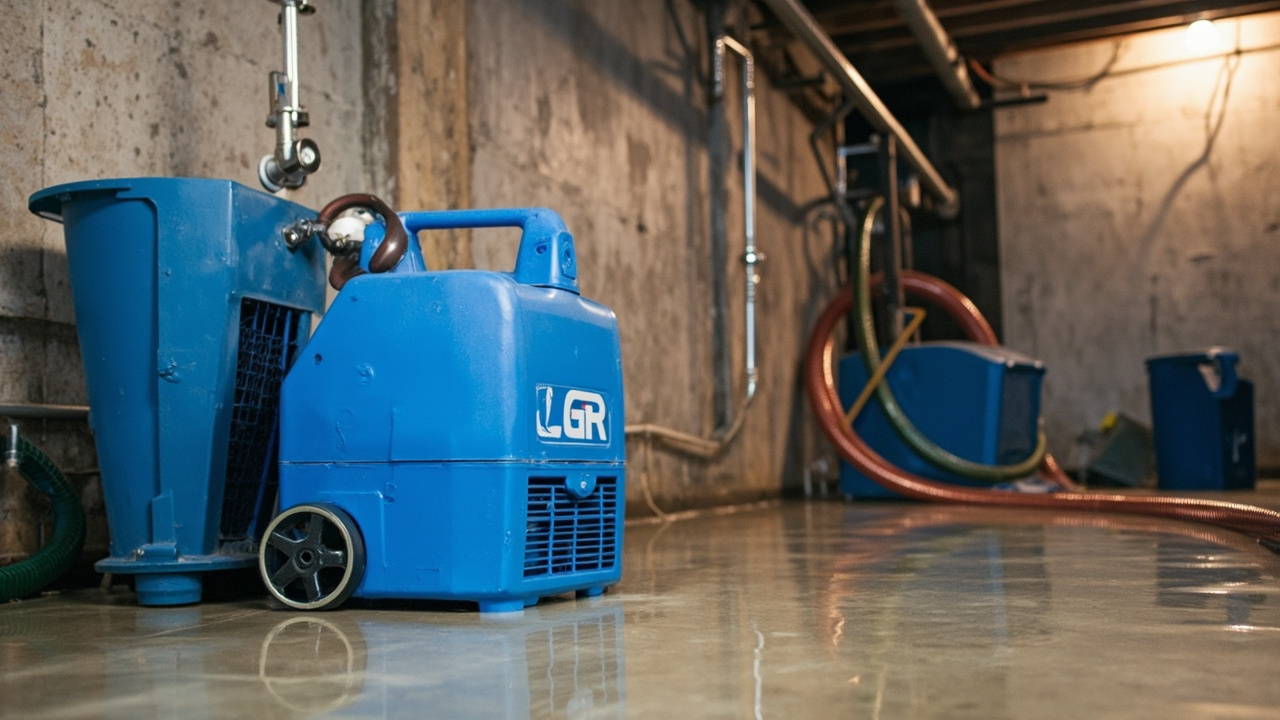
South Euclid basements face a relentless battle against groundwater due to the heavy clay soil…
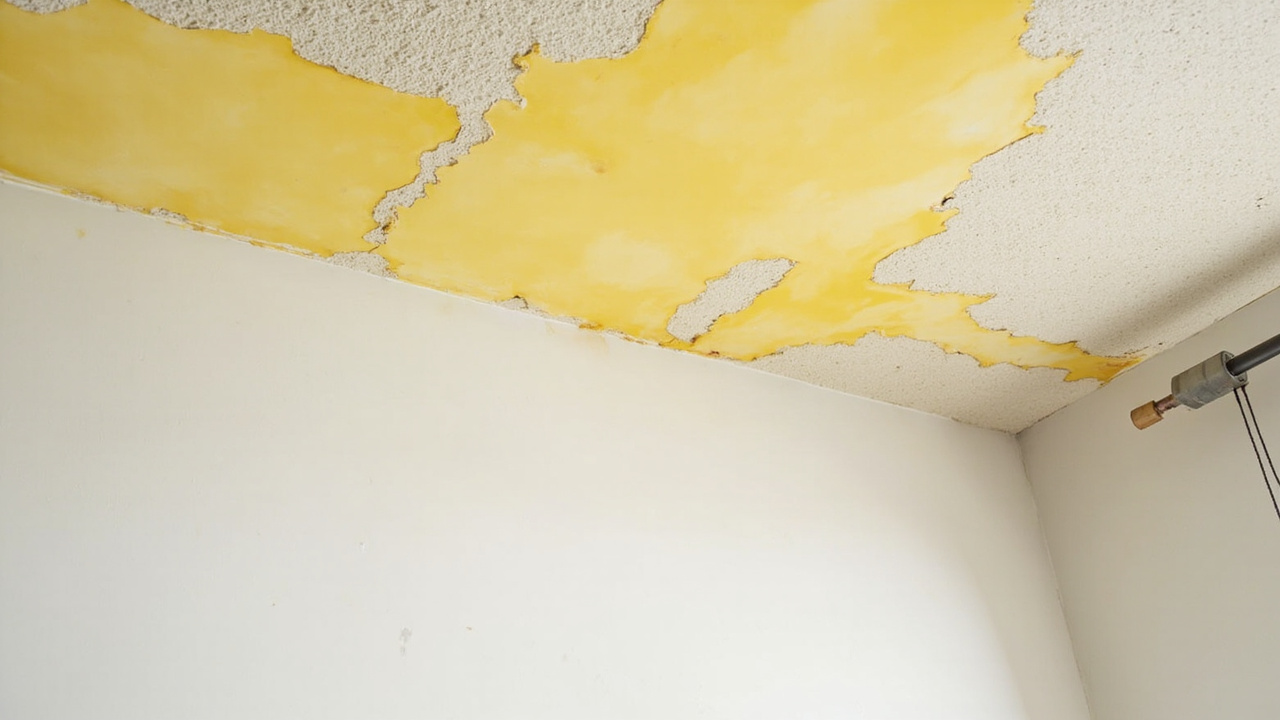
AC Condensate Leak Water Damage Solutions for Cleveland Homeowners A yellow stain appearing on your…
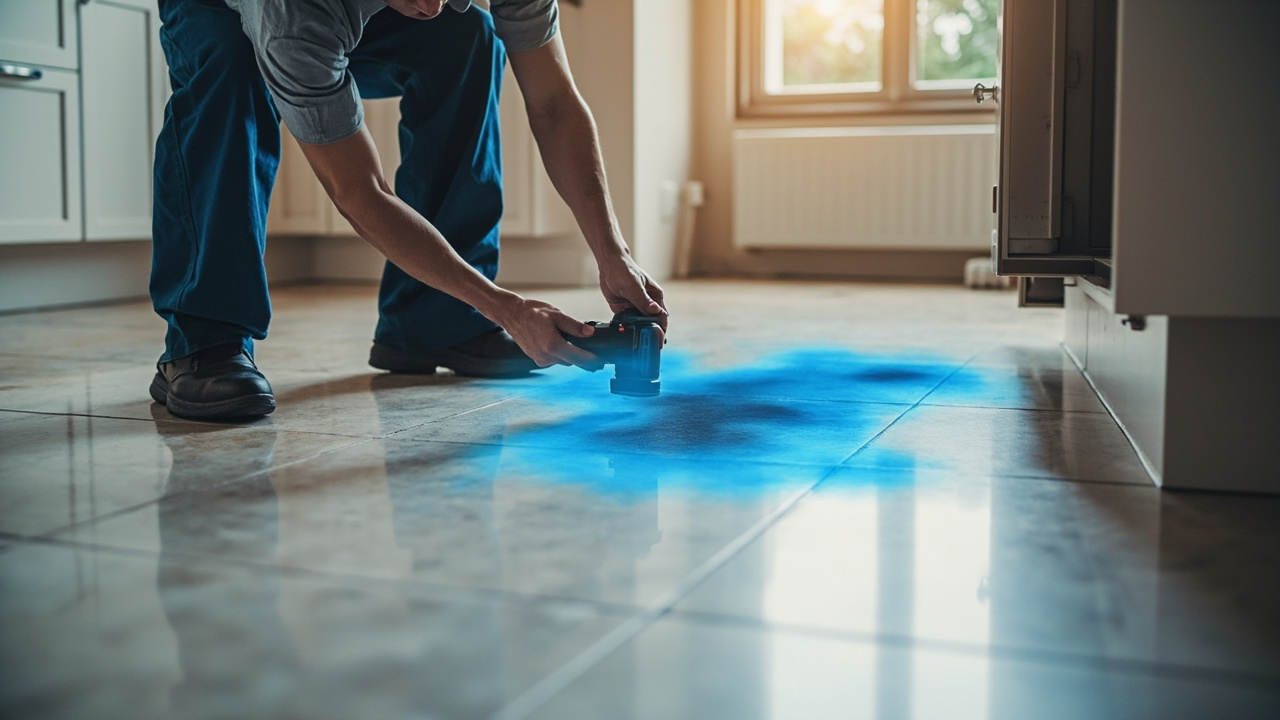
Water trapped under kitchen tile is a hidden threat for many Woodmere homeowners. You might…
Water damage spreads every minute you wait. Call Horizon Water Damage Restoration Cleveland now at (216) 547-1277 for 60-minute emergency response anywhere in University Heights. Our crews are standing by with extraction equipment and drying technology to stop damage before it destroys your property.