




menu

Storm Damage Mitigation in Cleveland – Rapid Response Teams Stop Secondary Damage Before It Starts

When severe weather hits Cleveland, storm damage mitigation protects your property from mold, structural failure, and escalating repair costs through immediate water extraction, structural stabilization, and emergency tarping services.

Slider Image 1
Slider Image 2
Slider Image 3
Slider Image 4
Slider Image 5
Slider Image 7
Slider Image 8
Slider Image 9
Slider Image 10
Slider Image 11

Why Cleveland Storm Events Create Cascading Property Damage

Cleveland sits in a unique weather corridor where Lake Erie's moisture collides with cold continental air masses, creating sudden severe thunderstorms, ice storms, and heavy snow loads that transition to rapid melt. The city's aging housing stock, much of it built before modern drainage codes, struggles with these rapid transitions.

When a storm breaches your roof, basement, or windows, you have roughly 24 to 48 hours before secondary damage begins. Water from roof leaks migrates through ceiling cavities. Basement flooding saturates drywall from the bottom up. Wind-driven rain penetrates wall assemblies through damaged siding. In Cleveland's humid climate, trapped moisture creates ideal conditions for mold colonization within 48 to 72 hours.

The freeze-thaw cycles common to Cleveland make storm damage particularly destructive. Water enters through storm-created openings, freezes overnight, expands, and widens the breach. By morning, what started as a small roof puncture becomes a structural liability.

Storm damage mitigation is not repair work. It is emergency stabilization. The goal is to stop the progression of damage while you navigate insurance claims and plan permanent storm damage restoration. Every hour of delay allows water to spread, materials to degrade, and mold spores to activate. Homes in neighborhoods like Tremont, Ohio City, and Shaker Heights face different vulnerabilities based on age, construction type, and elevation, but the timeline for secondary damage remains constant.

Professional storm damage cleanup begins the moment you call, not when the adjuster arrives.

Why Cleveland Storm Events Create Cascading Property Damage
How Effective Storm Damage Mitigation Prevents Total Loss

How Effective Storm Damage Mitigation Prevents Total Loss

Storm damage mitigation follows a specific sequence designed to stabilize the property and preserve evidence for insurance documentation. The process starts with emergency contact and dispatch, typically within 60 to 90 minutes for Cleveland-area calls.

Upon arrival, technicians conduct a rapid damage assessment. This is not a detailed inspection. It is a triage evaluation to identify immediate threats like active water intrusion, structural instability, or electrical hazards. The team documents conditions with photos and moisture readings before any mitigation work begins. Insurance companies require this baseline data.

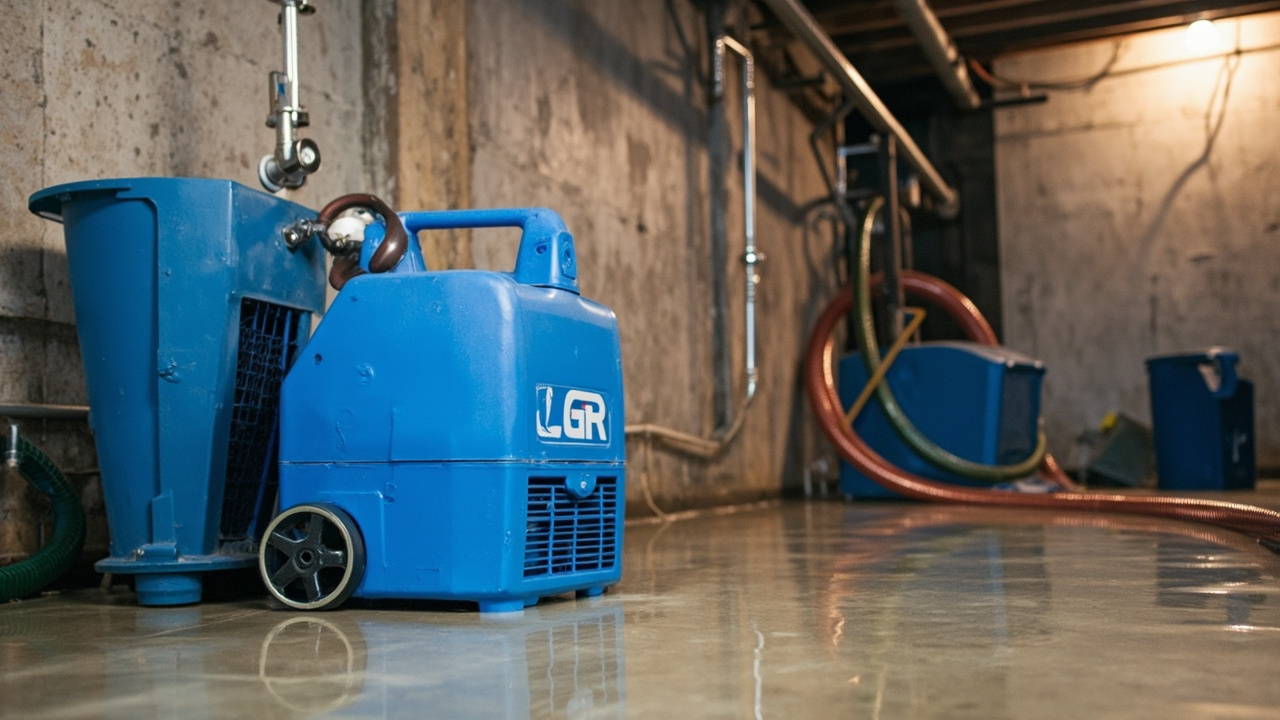
Water extraction starts immediately using truck-mounted extractors for high-volume flooding or portable extractors for localized intrusion. The goal is to remove standing water and reduce moisture content in affected materials below the threshold for microbial growth. Technicians use moisture meters to map the extent of saturation in walls, subfloors, and ceilings.

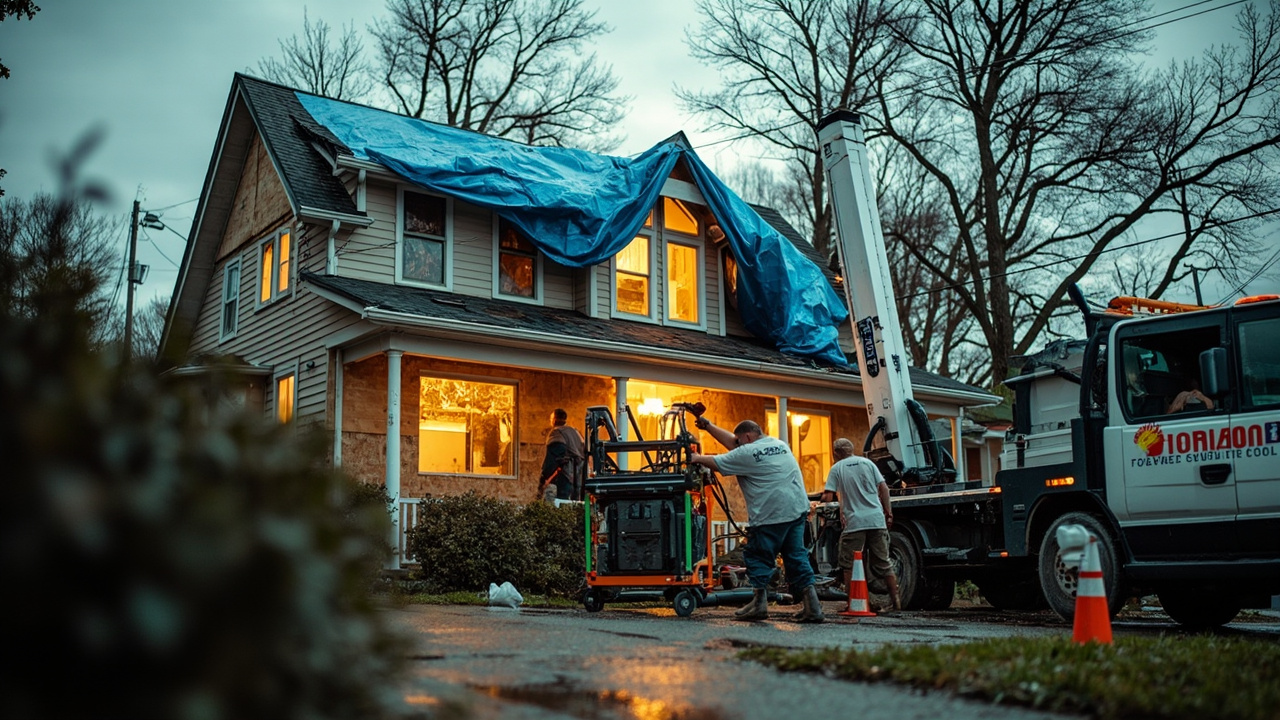
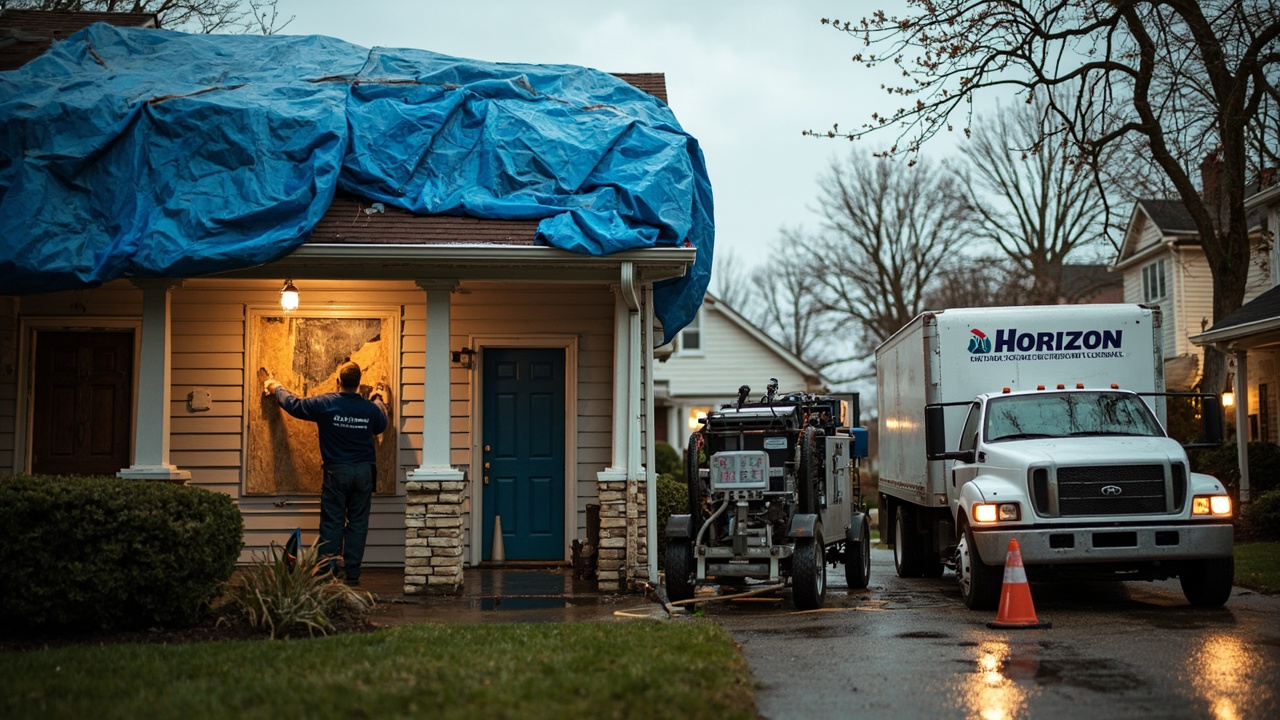
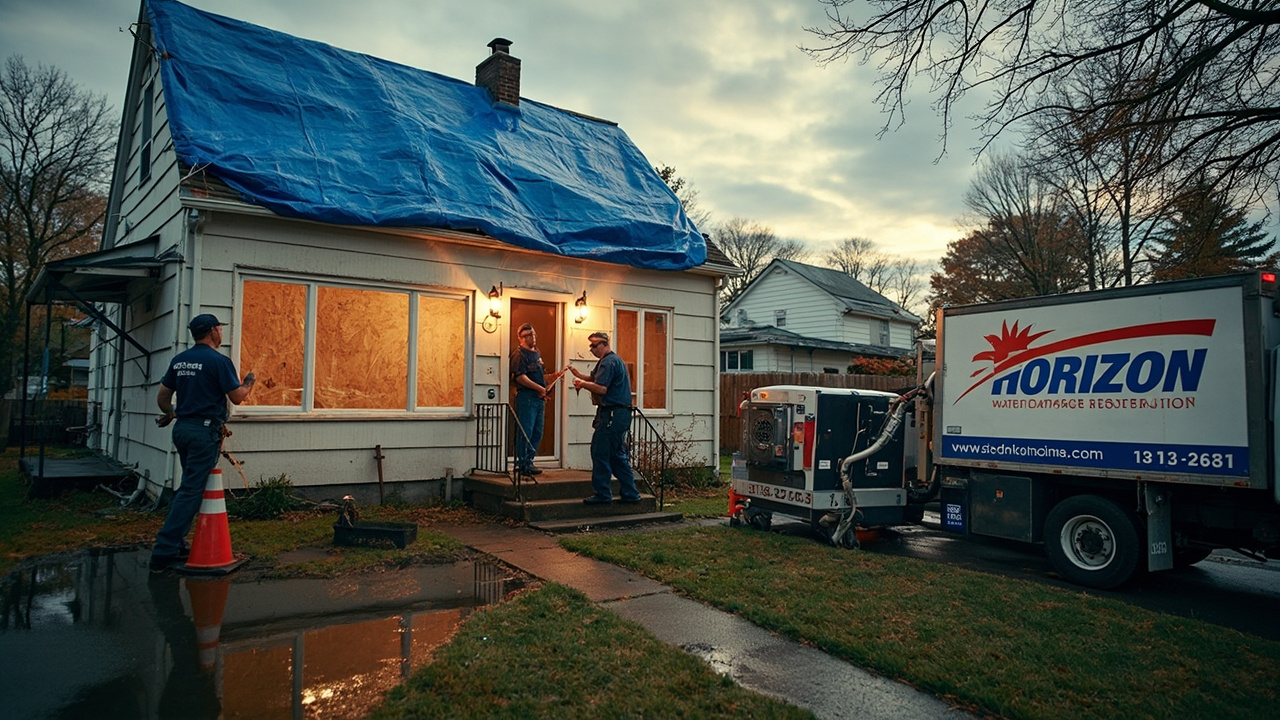
Structural stabilization follows extraction. This includes emergency board-up for broken windows, temporary roof tarping for punctures or missing shingles, and shoring for compromised load-bearing elements. Tarping uses heavy-mil reinforced polyethylene secured with battens and fasteners rated for wind loads common to Cleveland storms.

Air movement and dehumidification equipment is positioned strategically to create negative pressure in affected areas, preventing moisture migration to unaffected spaces. Industrial dehumidifiers pull moisture from the air while air movers increase evaporation rates from wet surfaces.

Storm damage remediation differs from mitigation in scope. Remediation is the repair phase. Mitigation is the emergency intervention that makes remediation possible without total demolition.

What Happens During Emergency Storm Damage Mitigation

Storm Damage Mitigation in Cleveland – Rapid Response Teams Stop Secondary Damage Before It Starts
01

Immediate Response and Assessment

When you call, dispatch coordinates with an on-call crew and provides an estimated arrival time. Technicians arrive with water extraction equipment, moisture detection tools, and emergency tarping materials. The initial walkthrough identifies active water sources, electrical hazards, and structural risks. Documentation begins immediately with photos, moisture readings, and damage notes that satisfy insurance requirements while establishing a baseline for mitigation effectiveness.
02

Water Removal and Containment

Extraction equipment removes standing water from basements, crawl spaces, and flooring. For roof leaks, technicians trace water pathways through ceiling assemblies and wall cavities, using thermal imaging to locate hidden saturation. Containment barriers prevent water from spreading to dry areas. Emergency tarping stops ongoing intrusion. The focus is speed and volume removal. Every gallon extracted is a gallon that cannot feed mold growth or cause additional structural degradation.
03

Drying and Monitoring

Dehumidifiers and air movers run continuously, monitored remotely via humidity sensors. Technicians return every 24 to 48 hours to check moisture levels in walls, subfloors, and structural members. Drying targets are based on material type and pre-storm moisture content. Once materials reach stable dry readings for 48 consecutive hours, equipment is removed. Final documentation confirms the property is stabilized and ready for storm damage repair contractors or insurance-approved restoration work.

Why Cleveland Properties Require Local Storm Mitigation Expertise

Cleveland's building inventory spans 150 years of construction methods. Victorian-era homes in Detroit Shoreway have plaster walls and balloon framing. Post-war bungalows in Collinwood use early drywall and minimal insulation. Mid-century buildings downtown have flat roofs prone to ponding. Each construction type responds differently to water intrusion and requires adapted mitigation techniques.

Local knowledge matters when choosing where to place air movers in a 1920s home with horsehair plaster versus a 1980s ranch with fiberglass batts. It matters when determining whether a wet ceiling can be saved or requires replacement based on how Cleveland's humidity interacts with specific materials. Technicians unfamiliar with local construction practices often over-dry or under-dry, leading to cracking or mold reactivation.

Horizon Water Damage Restoration Cleveland maintains relationships with local building inspectors, insurance adjusters, and roofing contractors who understand the city's unique building stock. When a storm mitigation job uncovers permit requirements or code compliance issues common to older Cleveland properties, the team knows which city department to contact and what documentation is required.

Emergency storm damage services in Cleveland also require familiarity with weather patterns. Lake-effect snow transitions to rapid melt create different mitigation priorities than summer thunderstorm flooding. Technicians adjust drying strategies based on outdoor temperature and humidity, factors that vary significantly between January ice storms and August flash floods.

The fastest response time means nothing if the crew does not understand how Cleveland's clay soil affects basement water intrusion or how the city's combined sewer system can backflow during heavy rain events. Local expertise prevents mitigation mistakes that lead to failed insurance claims or incomplete drying.

What to Expect When You Call for Storm Damage Mitigation

Response Time and Availability

Storm damage mitigation operates on emergency dispatch timelines. Calls are answered 24 hours a day, including holidays and weekends. Dispatch assigns the nearest available crew based on current location and equipment load. Typical arrival time for Cleveland-area properties is 60 to 90 minutes, though severe weather events may extend response during peak demand. Crews carry extraction equipment, moisture meters, tarping materials, and generators for properties without power. Initial contact includes pre-arrival instructions to shut off water sources or electricity if safe to do so.

Initial Assessment and Documentation

The assessment begins with a safety check for structural stability, electrical hazards, and contaminated water. Technicians photograph all affected areas before mitigation begins, capturing visible damage and moisture meter readings. This documentation serves as your insurance baseline. The team explains what they find, what equipment will be used, and the expected mitigation timeline. You receive a written scope of emergency work before mitigation begins. This is not a repair estimate. It covers only the stabilization work needed to prevent further loss.

Mitigation Outcomes and Completion

Successful mitigation means the property is stable and dry enough for contractors to begin storm damage repair. Moisture readings in affected materials return to normal ranges for Cleveland's climate. Mold growth has been prevented through rapid drying. Structural elements are temporarily secured. You receive a final mitigation report with all moisture readings, photos, and equipment logs. This report is formatted for insurance submission and includes recommendations for permanent repairs. The property is safe to occupy, though damaged areas may remain until reconstruction begins.

Monitoring and Follow-Up

Drying equipment remains on site for three to seven days depending on material saturation levels and outdoor conditions. Technicians return every 24 to 48 hours to check progress and adjust equipment placement. Remote monitoring sensors track humidity and temperature continuously. If readings plateau or rise, technicians investigate hidden moisture pockets or ventilation issues. Once materials achieve stable dry readings for 48 hours, equipment is removed. Follow-up contact occurs 7 to 10 days after equipment removal to confirm no moisture rebound or odor development.

Frequently Asked Questions

You Have Questions,
We Have Answers

What does damage mitigation mean? +

Damage mitigation means taking immediate action to prevent further harm after a storm hits your Cleveland property. It includes emergency repairs like tarping a damaged roof, boarding up broken windows, extracting standing water, and securing structural openings. The goal is to stop secondary damage from rain, wind, or moisture intrusion. Insurance companies require you to mitigate damage promptly or they may deny coverage for additional losses. In Cleveland, where lake-effect storms and freeze-thaw cycles compound damage quickly, fast mitigation protects your property and your claim. You stabilize the situation until full repairs can begin.

What can be done to mitigate storms? +

You can mitigate storm damage before it happens through proactive property maintenance. Trim dead tree branches that could fall on your roof during Cleveland's high winds. Clean gutters and downspouts to prevent ice dams and water backup. Inspect roof flashing, shingles, and sealants annually. Secure loose siding and fascia boards. Install storm shutters or impact-resistant windows if you live near Lake Erie. Check basement sump pumps and consider a battery backup for power outages. Anchor outdoor structures and remove debris from your yard. Regular inspections catch vulnerabilities before storms exploit them, saving you money and stress.

Does storm damage raise insurance rates? +

Filing a storm damage claim can raise your insurance rates, but it depends on your carrier, claim history, and policy terms. Most insurers view weather-related claims as unavoidable events, so rate increases are often smaller than for at-fault claims. In Cleveland, where severe storms are common, some insurers offer wind and hail deductibles separate from your standard deductible. Multiple claims in a short period raise red flags. If damage is minor and close to your deductible amount, you might consider paying out of pocket. Always document damage thoroughly and consult your agent before deciding whether to file.

How much does flood mitigation cost? +

Flood mitigation costs in Cleveland vary widely based on your property's risk level and the methods used. Basic solutions like regrading soil away from your foundation or installing French drains run a few thousand dollars. Sump pump systems with battery backup cost between $1,500 and $5,000. Basement waterproofing with interior or exterior sealing ranges higher. Elevation work or flood vents for homes near the Cuyahoga River flood zones can reach tens of thousands. FEMA offers grants through the Hazard Mitigation Grant Program for eligible Cleveland homeowners. A professional assessment identifies your specific risks and tailors cost-effective solutions.

What does mitigation cost? +

Mitigation costs depend entirely on the type and extent of storm damage to your Cleveland property. Emergency tarping for roof damage runs $500 to $2,000. Water extraction and drying equipment rental costs daily fees. Boarding up windows and securing openings varies by size and accessibility. Tree removal from structures requires specialized equipment and licensed contractors. Most mitigation work is covered under your insurance policy as part of preventing further loss. Keep detailed receipts and photos of all emergency repairs. The key is acting fast to minimize total restoration costs, which makes mitigation a smart investment that protects your claim.

What is an example of mitigation damages? +

An example of mitigation damages is when a Cleveland homeowner tarps a roof immediately after wind rips off shingles during a storm. Without the tarp, rain would pour into the attic, destroying insulation, drywall, and belongings. The tarp costs $800, but it prevents $15,000 in additional water damage. That $800 is a mitigation expense your insurance covers because you took reasonable steps to stop further loss. Other examples include pumping out a flooded basement before mold grows, boarding broken windows to prevent theft or weather intrusion, or bracing a damaged wall before it collapses.

What are 5 examples of mitigation? +

Five examples of storm mitigation include: One, tarping a damaged roof to stop water intrusion. Two, extracting standing water from basements or crawl spaces before mold develops. Three, boarding up broken windows and doors to secure your Cleveland home. Four, removing fallen trees or branches that threaten further structural damage. Five, shutting off utilities like gas or electricity if lines are compromised. Each action stops the initial damage from snowballing into bigger problems. In Cleveland's climate, where moisture and temperature swings accelerate deterioration, fast mitigation protects both your property and your insurance coverage. Documentation is critical for reimbursement.

What are the 4 mitigation strategies? +

The four mitigation strategies are avoidance, reduction, transfer, and acceptance. Avoidance means not building in high-risk flood zones near the Cuyahoga River. Reduction involves strengthening your property through upgrades like impact-resistant roofing or reinforced garage doors to withstand Cleveland storms. Transfer shifts financial risk through insurance policies that cover storm damage and flooding. Acceptance means understanding some risk remains and preparing emergency funds for deductibles or uncovered losses. Cleveland homeowners combine these strategies based on their location, budget, and risk tolerance. A solid mitigation plan uses multiple approaches to protect your property and finances from unpredictable weather.

What can you deduct from hurricane damage? +

You can deduct hurricane damage losses on your federal tax return if the event qualifies as a federally declared disaster and your insurance does not cover the full amount. Deductible expenses include repairs, temporary housing, and mitigation costs after subtracting insurance reimbursements and a $100-per-event threshold. In Cleveland, you rarely face hurricane damage, but severe windstorms and flooding may qualify for casualty loss deductions under similar rules. Keep every receipt, estimate, and claim document. Consult a tax professional familiar with Ohio laws, as rules change frequently. Mitigation expenses that prevent further damage are typically covered by insurance, not tax deductions.

What not to say to an home insurance adjuster? +

Never tell a home insurance adjuster you are unsure about the damage extent or that you might have caused it through neglect. Do not downplay losses or guess at repair costs. Avoid saying you waited to mitigate damage or that you did not document everything. Never admit fault for weather-related damage in Cleveland. Do not accept the first settlement offer without review or sign anything you have not read carefully. Stick to facts, provide photos and receipts, and let documentation speak. If the adjuster pressures you or disputes legitimate storm damage, consult a public adjuster or attorney before agreeing to terms.

How Lake Erie Weather Patterns Make Storm Damage Mitigation Critical in Cleveland

Cleveland's position on Lake Erie creates volatile weather transitions that accelerate property damage. Lake-effect systems dump heavy snow that melts rapidly during temperature swings, overwhelming gutters and creating ice dams. Summer thunderstorms produce wind-driven rain that penetrates building envelopes at horizontal angles, bypassing standard weatherproofing. The clay soil common throughout Cuyahoga County expands when saturated, creating hydrostatic pressure against foundation walls that forces water through cracks widened by freeze-thaw cycles. Storm damage mitigation in Cleveland requires equipment staging that accounts for these regional conditions, including high-capacity extraction for rapid snow melt and foundation-specific waterproofing for clay soil pressure.

Cleveland's building codes and historic district regulations affect storm damage restoration timelines, making rapid mitigation even more important. Properties in designated historic areas like Little Italy or Kamm's Corners require permits for exterior modifications, delaying permanent repairs. Effective storm damage cleanup during the mitigation phase preserves original materials and prevents demolition that would trigger lengthy approval processes. Local mitigation teams understand which temporary repairs satisfy city inspectors while protecting the property. This knowledge prevents insurance disputes over repair delays and ensures compliance with Cleveland's preservation ordinances during emergency storm damage services.
Water Damage Restoration Services in The Cleveland Area

Horizon Water Damage Restoration Cleveland proudly serves the entire Cleveland area and its surrounding communities. Our team is strategically located to ensure a rapid response to your water damage emergency. We are committed to being there for you when you need us most. Please view the map to see our service area and feel free to reach out to us with any questions or for immediate assistance.

Address:
Horizon Water Damage Restoration Cleveland, 3224 Prospect Ave E, Cleveland, OH, 44115

Additional Services We Offer

Our news updates

Latest Articles & News from The Blogs

South Euclid basements face a relentless battle against groundwater due to the heavy clay soil common across the Cleveland metro…

Why South Euclid homeowners need more than a standard dehumidifier for wet basements

South Euclid basements face a relentless battle against groundwater due to the heavy clay soil common across the Cleveland metro…

Why your air conditioner is leaking through the ceiling in Broadview Heights

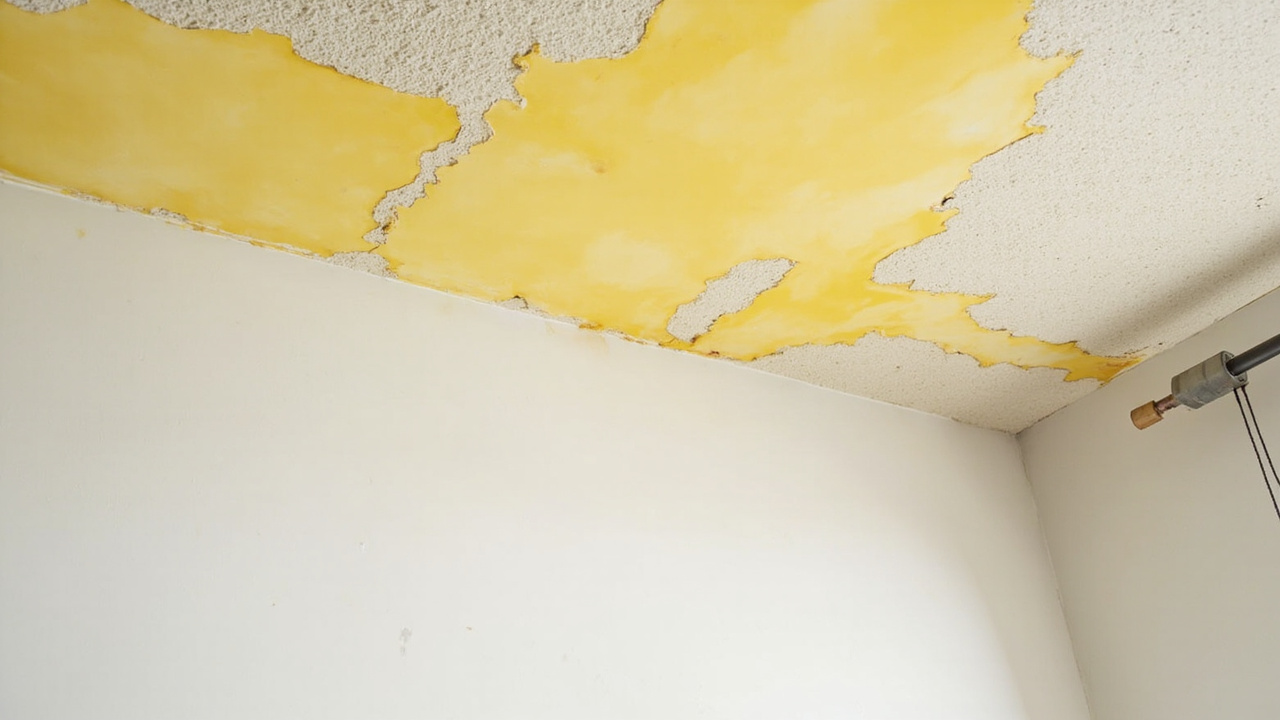
AC Condensate Leak Water Damage Solutions for Cleveland Homeowners A yellow stain appearing on your second floor ceiling often signals…

Can Water Get Trapped Under the Tile in Your Woodmere Kitchen

Water trapped under kitchen tile is a hidden threat for many Woodmere homeowners. You might see a beautiful porcelain or…

Contact Us

Every hour of delay allows water to migrate deeper into your Cleveland property. Call (216) 547-1277 now for immediate dispatch. Our mitigation crews respond 24/7 with extraction equipment and emergency tarping materials ready to deploy.