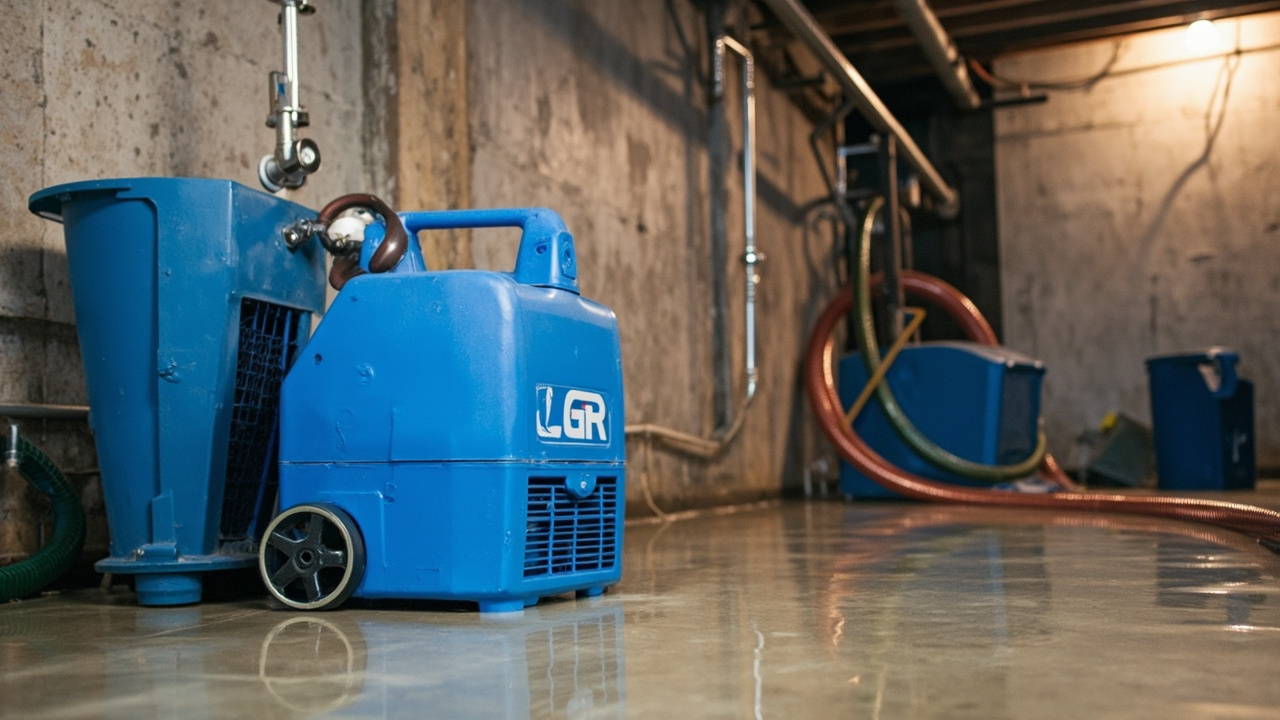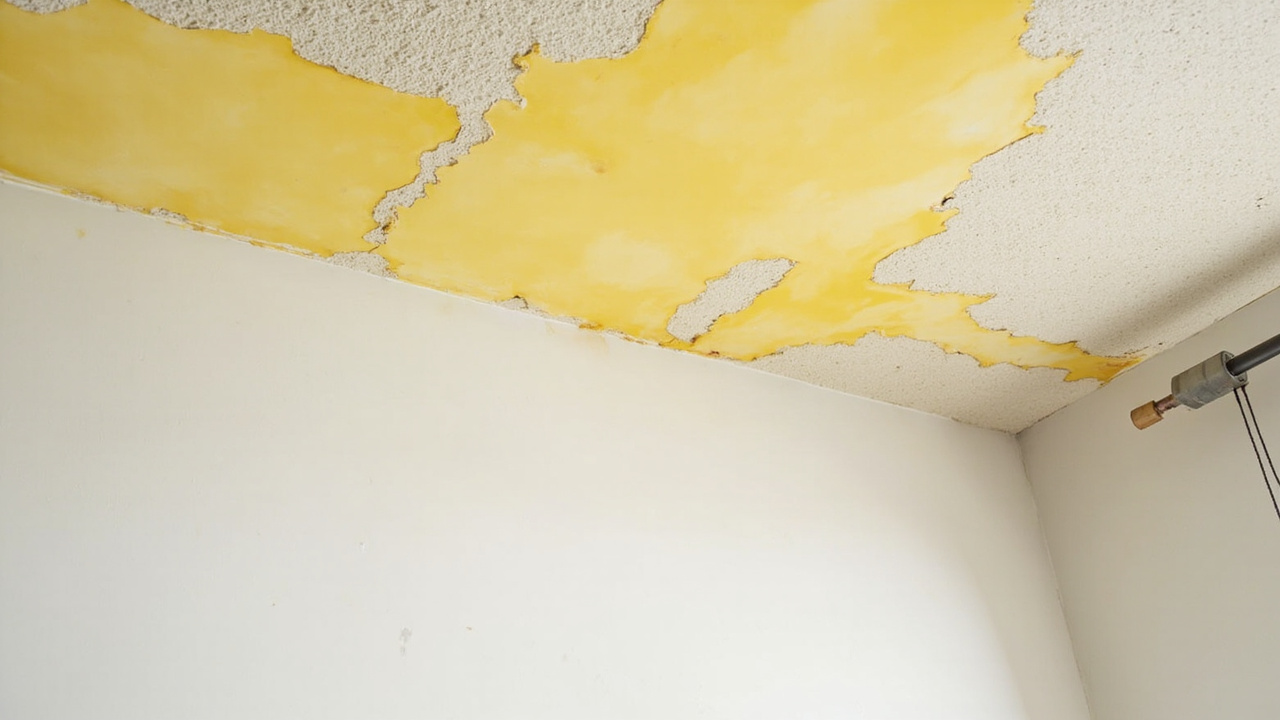







Cleveland's housing stock is among the oldest in the Midwest, with more than 60 percent of homes built before 1970. These structures feature plaster walls, hardwood subfloors, and balloon framing, which creates open channels for water to travel from upper floors into basements. When a washing machine overflows in a second-floor laundry room, water does not stay contained. It soaks through original plywood sheathing, runs down wall cavities, and emerges in ceilings and basements, often in rooms far from the source. Modern homes use fire stops and moisture barriers to limit water migration. Older Cleveland homes do not. This means a washing machine flood requires more extensive drying and monitoring to prevent hidden moisture pockets from causing structural rot or mold colonization weeks after the initial event.
Cleveland's residential building codes require permits for structural repairs involving floor joists, load-bearing walls, and electrical work in wet areas. Horizon Water Damage Restoration Cleveland maintains relationships with local inspectors and understands city permit processes. We advise you on which repairs trigger permit requirements and coordinate with licensed contractors to ensure compliance. This local knowledge prevents delays, fines, and headaches during the restoration process. National restoration chains do not know Cleveland's permitting nuances or have established relationships with city officials. We do, and that makes your recovery faster and smoother.