




menu

Cupping or Buckling Wood Floors in Cleveland – Expert Diagnosis and Proven Moisture Correction

When warped hardwood flooring threatens your home, you need trained technicians who understand the underlying moisture problems causing cupping or buckling wood floors and know how to repair structural damage the right way.

Slider Image 1
Slider Image 2
Slider Image 3
Slider Image 4
Slider Image 5
Slider Image 7
Slider Image 8
Slider Image 9
Slider Image 10
Slider Image 11

Why Cleveland Hardwood Floors Cup and Buckle After Water Damage

You walk across your living room and notice something wrong. Your once-smooth hardwood floor now feels uneven. Boards are raised at the edges, creating ridges. Some planks are lifting in the center, forming visible peaks. This is cupping or buckling, and it happens fast in Cleveland homes.

Cleveland's climate creates the perfect conditions for warped hardwood flooring. Our humid summers saturate wood fibers from below when crawl spaces and basements trap moisture. Winter freeze-thaw cycles stress foundations, creating hairline cracks where groundwater seeps upward. Lake Erie's proximity keeps relative humidity elevated year-round, especially in neighborhoods near the shore like Edgewater and the Flats.

When water infiltrates from below or floods from above, hardwood absorbs moisture unevenly. The bottom of the plank swells faster than the top, creating cupping where edges rise higher than the center. If moisture saturates the entire board quickly, you get buckling. The swollen wood planks push against each other with tremendous force. Peaking hardwood joints separate. Lifting floorboards pull away from the subfloor. Raised wood floor edges create trip hazards and signal serious structural moisture problems.

Most homeowners call us after noticing the visible warping, but the real problem is hidden. The moisture source must be identified and eliminated, or your floors will continue degrading. Sanding down cupped floors before fixing the moisture issue is a mistake that wastes money and damages your flooring permanently.

Atlas Water Damage Restoration Cleveland uses moisture meters and thermal imaging to find the source, not just treat the symptom.

Why Cleveland Hardwood Floors Cup and Buckle After Water Damage
How We Fix Cupping and Buckling Without Destroying Your Floors

How We Fix Cupping and Buckling Without Destroying Your Floors

Fixing cupped or buckled hardwood requires precision, not guesswork. We do not sand your floors on day one. We do not rip out planks unless structurally compromised. We address the moisture problem first, then stabilize the wood using controlled drying techniques.

Our technicians arrive with calibrated moisture meters that measure moisture content (MC) at multiple depths. We test the subfloor, the hardwood surface, and the air space between. Thermal imaging cameras reveal hidden water migration patterns under your flooring. This data tells us whether you have a plumbing leak, foundation seepage, or HVAC condensation issue.

Next, we extract standing water if present and set up commercial dehumidifiers to pull moisture from the air. We place air movers strategically to create airflow across and under the flooring without over-drying, which can cause new cracks. We use desiccant dehumidifiers in enclosed spaces where traditional units struggle. We monitor moisture levels daily, adjusting equipment placement as readings change.

For severe buckling where planks have compressed and deformed, we may need to relieve pressure by removing a few boards at the perimeter. This allows the remaining floor to relax back toward its original position as it dries. We document the drying process with daily moisture readings and photos for your insurance claim.

Once moisture content returns to normal range, we wait. Hardwood needs acclimation time. Rushing to refinish or replace boards while moisture levels are still elevated guarantees the problem will return. Atlas Water Damage Restoration Cleveland does not take shortcuts that cost you more money six months later.

What Happens During Wood Floor Moisture Remediation

Cupping or Buckling Wood Floors in Cleveland – Expert Diagnosis and Proven Moisture Correction
01

Moisture Source Identification

We begin by mapping moisture distribution across your floor and underneath it using penetrating and non-penetrating moisture meters. Thermal imaging reveals temperature differentials that indicate water migration paths. We inspect your crawl space, basement, and plumbing lines to locate the source. If your foundation has cracks or your vapor barrier failed, we document it. You cannot dry a floor effectively while the source continues feeding moisture into the system.
02

Controlled Drying Protocol

We deploy commercial-grade dehumidifiers and air movers calibrated to your specific floor type and moisture load. Oak, maple, and engineered hardwood all respond differently to drying. We monitor moisture content twice daily, adjusting equipment to prevent over-drying, which causes cracking and splitting. We create negative air pressure in crawl spaces to pull moisture away from the subfloor. This phase typically takes seven to fourteen days, depending on saturation depth and ambient conditions.
03

Structural Assessment and Repair

After your hardwood reaches equilibrium moisture content, we assess which planks returned to normal and which remain permanently deformed. Minor cupping often self-corrects once dried properly. Severe buckling may require selective plank replacement. We match wood species, grade, and finish as closely as possible. If your subfloor sustained damage, we repair or replace affected sections before reinstalling flooring. We provide documentation showing final moisture levels for your records and insurance.

Why Cleveland Homeowners Choose Atlas Water Damage Restoration Cleveland

Hardwood floor damage creates panic. You see the warping and imagine replacing the entire floor at massive expense. Most restoration companies will tell you the boards are ruined and push for full replacement. We tell you the truth based on data, not profit margin.

Atlas Water Damage Restoration Cleveland specializes in moisture correction for historic Cleveland homes, many of which feature original oak and maple flooring that cannot be easily replaced. Homes in neighborhoods like Tremont, Ohio City, and Detroit-Shoreway often have plank flooring that is over a century old. These floors have survived this long because they were installed correctly. Water damage does not automatically mean replacement.

We understand Cleveland's building stock. Many homes here have stone foundations, crawl spaces with dirt floors, and vintage plumbing systems that develop slow leaks. We have worked in Cleveland's older housing inventory long enough to recognize patterns. A cupped floor in a 1920s bungalow near West Boulevard usually means crawl space moisture, not a plumbing leak. A buckled floor in a 1950s ranch in Parma often traces back to a failed sump pump or foundation crack.

Our technicians carry IICRC certification in water damage restoration and understand the science of wood moisture dynamics. We do not guess. We measure. We do not rush. We document. And we communicate clearly with your insurance adjuster, providing the detailed moisture logs and thermal images needed to support your claim.

You will not get a different crew every day. The same technicians who assess your damage will complete the drying and repair process. That continuity matters when dealing with something as variable as hardwood floor restoration.

What to Expect When You Call Atlas Water Damage Restoration Cleveland

Rapid Response Time

We answer calls 24/7, including weekends and holidays. A technician will typically arrive within 90 minutes of your call for emergency water damage. For cupping or buckling floors that developed over time, we can schedule an assessment within 24 hours. Speed matters because continued moisture exposure worsens the damage and increases your repair costs. Our trucks carry moisture detection equipment, extraction tools, and drying equipment so we can start the remediation process immediately if needed.

Detailed Moisture Assessment

Your assessment takes 60 to 90 minutes. We do not eyeball the damage and give you a rough estimate. We test moisture levels at multiple points across your floor and in your subfloor. We use thermal imaging to see what is happening behind walls and under flooring. We inspect your foundation, crawl space, and plumbing lines to identify the source. You will receive a written assessment explaining what we found, what needs to happen, and what the timeline looks like.

Professional Repair Standards

Once drying is complete, we evaluate which boards can be saved and which require replacement. We match wood species, grain pattern, and finish as closely as possible. We sand and refinish only when structurally necessary, not as a default solution. If your subfloor needs repair, we use exterior-grade plywood, not particleboard. All work meets Cleveland building code requirements. You receive documentation of final moisture levels and photos of completed repairs for your insurance file.

Prevention and Monitoring Plan

After repairs are complete, we provide specific recommendations to prevent recurrence. This might include crawl space encapsulation, dehumidifier installation, or sump pump upgrades. We do not sell you services you do not need, but we will tell you what moisture conditions caused the damage so you can make informed decisions. For clients concerned about recurring issues, we offer follow-up moisture checks at no charge within the first 90 days after project completion.

Frequently Asked Questions

You Have Questions,
We Have Answers

What is the difference between cupping and buckling floors? +

Cupping happens when moisture penetrates the bottom of hardwood planks, causing edges to lift higher than the center. The board creates a concave shape, like a shallow bowl. Buckling is more severe. Entire planks pull away from the subfloor, creating peaks and gaps. Buckling results from extreme water exposure or prolonged moisture beneath the floor. In Cleveland homes, cupping often follows basement flooding or plumbing leaks. Buckling requires professional intervention. Both conditions signal moisture problems that need immediate attention to prevent structural damage and mold growth.

What does hardwood cupping look like? +

Hardwood cupping creates a noticeable U-shape across the width of each board. Run your hand across the plank. You will feel raised edges and a dipped center. From an angle, cupped floors look wavy or rippled. The effect becomes more visible in direct sunlight. In Cleveland's older homes with basement moisture issues, cupping often appears first near exterior walls or bathrooms. Severe cupping makes floors feel uneven underfoot. If you notice these signs, check for water sources immediately. Ignoring cupping leads to permanent damage and costly replacement.

How to fix a hardwood floor that is cupping? +

First, identify and eliminate the moisture source. Fix leaks, improve basement ventilation, or install a dehumidifier in humid Cleveland summers. Allow floors to dry completely, which can take weeks. Monitor moisture levels with a meter. Once dry, minor cupping may flatten naturally. For persistent cupping, professionals sand and refinish the floor after stabilization. Never sand cupped floors while still wet. This removes too much wood and creates valleys when boards flatten. In severe cases, plank replacement becomes necessary. Address the underlying moisture problem first or cupping returns.

Will cupped hardwood floors flatten out? +

Sometimes. If you catch cupping early and eliminate the moisture source, floors often flatten as they dry. Cleveland's seasonal humidity swings mean minor cupping may resolve after proper dehumidification. This process takes weeks or months. The wood must acclimate to normal moisture levels. Severe or long-term cupping causes permanent deformation. Wood fibers compress and lose their original shape. In these cases, sanding after complete drying helps level the surface. Chronic moisture exposure means cupping will not reverse without professional intervention and moisture control measures.

Will buckled hardwood floors go back to normal? +

Buckled floors rarely return to normal on their own. Buckling means planks have completely separated from the subfloor due to extreme swelling. Even after drying, boards remain warped and loose. In Cleveland homes after major flooding or pipe bursts, buckled sections need removal and replacement. The subfloor beneath also requires inspection for rot and mold. Attempting to force buckled planks back down damages fasteners and creates weak spots. Professional restoration assesses whether partial or full replacement is necessary. Quick response after water damage reduces buckling risk.

Can cupping hardwood floors be reversed? +

Mild cupping can reverse if addressed quickly. You must stop the moisture intrusion, then dry the floor slowly using dehumidifiers and proper ventilation. Cleveland's humid summers require aggressive moisture control. Allow the wood to acclimate for several weeks. Monitor moisture content with a meter. Once readings stabilize near 6-9 percent, minor cupping often flattens. Severe cupping that has compressed wood fibers permanently will not fully reverse. In those cases, sanding after complete drying levels the surface. Prevention through humidity control beats any reversal attempt.

What does a buckled hardwood floor look like? +

A buckled hardwood floor shows dramatic peaks and separation from the subfloor. Planks lift several inches, creating tent-like ridges across the room. You will see visible gaps between boards and the floor beneath. Walking on buckled areas feels unstable and springy. Unlike cupping's gentle waves, buckling is severe and unmistakable. In Cleveland homes, buckling typically follows significant water events like sewer backups or appliance failures. The damage concentrates near the water source but can spread as moisture migrates. Buckled floors require immediate professional evaluation and likely replacement.

Is hardwood floor cupping normal? +

No. Hardwood floor cupping signals a moisture imbalance problem. Normal seasonal humidity changes cause slight expansion and contraction, but not visible cupping. In Cleveland, where basements see high humidity and homes experience freeze-thaw cycles, moisture intrusion is common but not normal. Cupping indicates water is entering from below the floor, from leaks, or from excessive indoor humidity. Ignoring cupping leads to mold, subfloor rot, and permanent floor damage. Investigate the cause immediately. Proper installation with moisture barriers and climate control prevents cupping in the first place.

How to detect water leak under wood floor? +

Look for discoloration or dark stains on wood planks, which indicate water contact. Check for musty odors, which signal trapped moisture and possible mold. Cupping or buckling means water is beneath the surface. Use a moisture meter on multiple planks to detect elevated readings. In Cleveland basements, check for condensation on pipes or around foundation walls. Feel for soft or spongy spots when walking. Inspect nearby plumbing fixtures for drips. Thermal imaging cameras detect hidden moisture without removing flooring. Act fast when you suspect leaks to minimize floor and subfloor damage.

How much does it cost to repair cupping wood floors? +

Repair costs vary based on damage severity, floor type, and affected area size. Minor cupping that responds to drying and sanding costs less than buckling that requires plank replacement. Factors include moisture remediation, subfloor repairs, refinishing, and matching existing wood. Cleveland's older homes may need foundation moisture solutions, adding expense. Most professionals assess damage before quoting. Ignoring cupping early leads to higher costs later when replacement becomes necessary. Insurance may cover water damage restoration depending on your policy and the cause. Get multiple estimates from local water damage restoration specialists.

How Lake Erie Humidity Accelerates Hardwood Cupping in Cleveland Homes

Cleveland sits on Lake Erie's southern shore, creating a unique microclimate that keeps relative humidity elevated year-round. Summer humidity regularly exceeds 70 percent, and lake-effect weather systems in fall and spring deposit additional moisture. Homes within five miles of the shoreline experience even higher ambient moisture levels. This constant humidity penetrates crawl spaces and basements, especially in older neighborhoods where vapor barriers are inadequate or nonexistent. Your hardwood flooring acts like a sponge, absorbing moisture from below when the subfloor and joists stay damp.

Cleveland's housing stock includes thousands of homes built before 1950, many with stone foundations and minimal moisture protection. These vintage construction methods create ongoing moisture management challenges that newer homes do not face. Atlas Water Damage Restoration Cleveland has worked extensively in Cleveland's historic districts and understands the specific vulnerabilities of older foundations, uninsulated crawl spaces, and original hardwood installations. We know what works in Cleveland's climate, and we know what fails. Local expertise matters when your flooring investment is at risk.
Water Damage Restoration Services in The Cleveland Area

Horizon Water Damage Restoration Cleveland proudly serves the entire Cleveland area and its surrounding communities. Our team is strategically located to ensure a rapid response to your water damage emergency. We are committed to being there for you when you need us most. Please view the map to see our service area and feel free to reach out to us with any questions or for immediate assistance.

Address:
Horizon Water Damage Restoration Cleveland, 3224 Prospect Ave E, Cleveland, OH, 44115

Additional Services We Offer

Our news updates

Latest Articles & News from The Blogs

South Euclid basements face a relentless battle against groundwater due to the heavy clay soil common across the Cleveland metro…

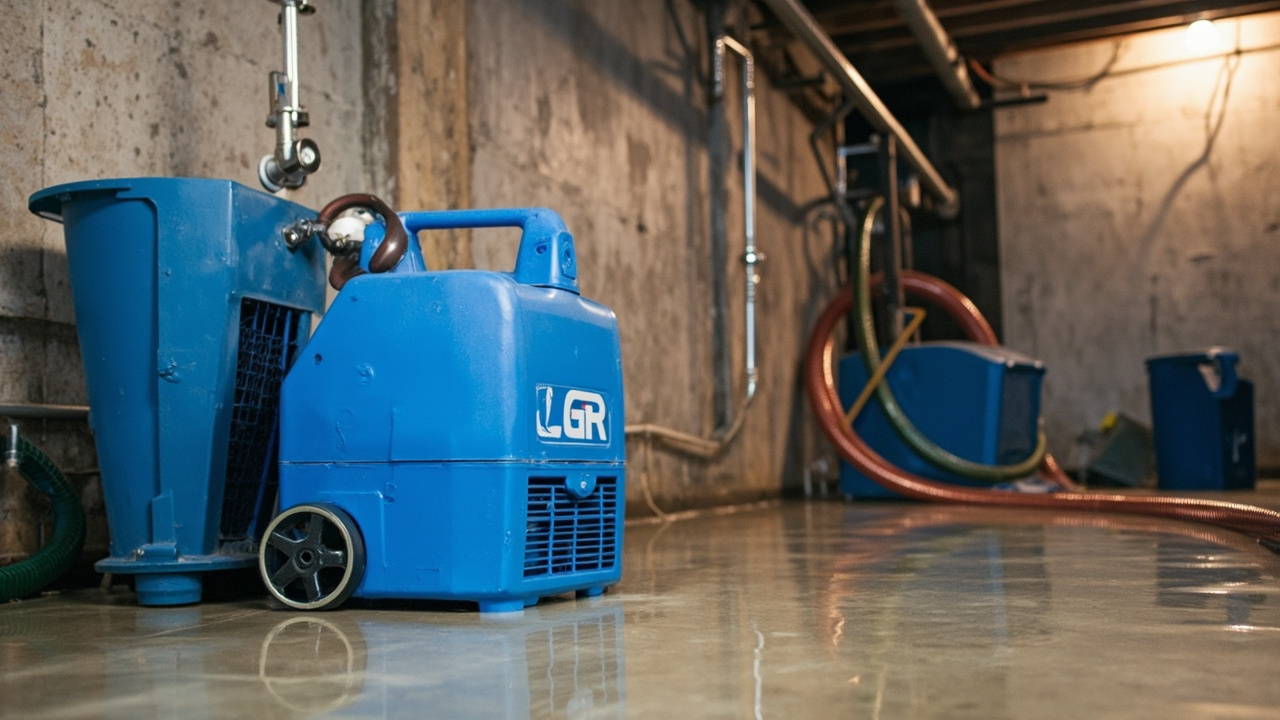
Why South Euclid homeowners need more than a standard dehumidifier for wet basements

South Euclid basements face a relentless battle against groundwater due to the heavy clay soil common across the Cleveland metro…

Why your air conditioner is leaking through the ceiling in Broadview Heights

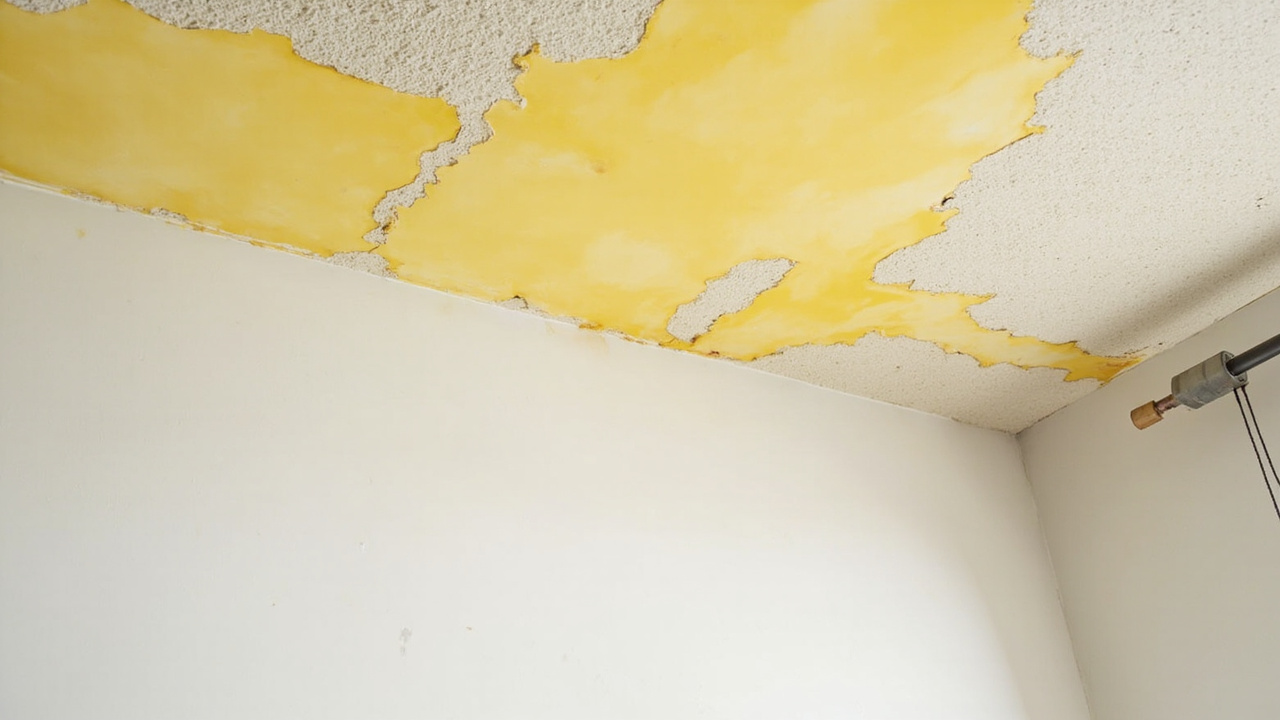
AC Condensate Leak Water Damage Solutions for Cleveland Homeowners A yellow stain appearing on your second floor ceiling often signals…

Can Water Get Trapped Under the Tile in Your Woodmere Kitchen

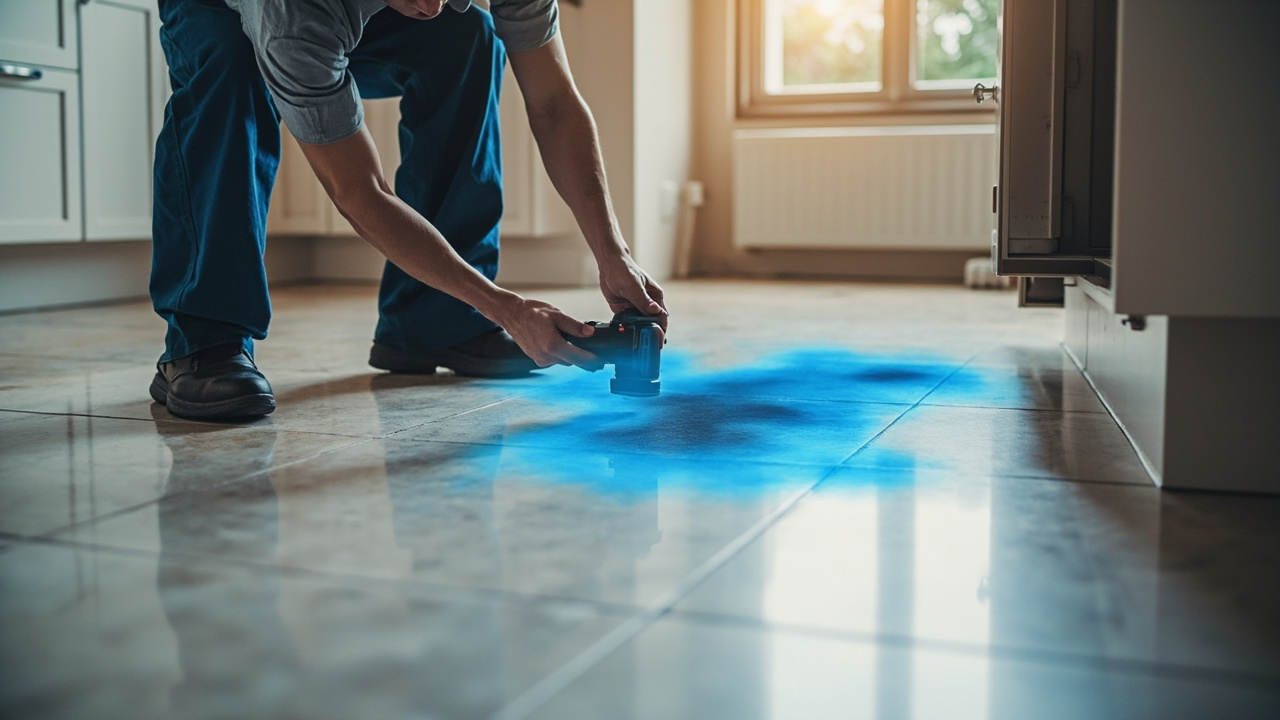
Water trapped under kitchen tile is a hidden threat for many Woodmere homeowners. You might see a beautiful porcelain or…

Contact Us

Cupping and buckling will not fix themselves. The longer moisture stays in your flooring system, the worse the damage becomes. Call Atlas Water Damage Restoration Cleveland at (216) 547-1277 now for a professional moisture assessment and honest evaluation.