






menu

Does Insurance Cover Mold in Cleveland? – Get Clear Answers on Property Insurance Mold Coverage and Claims Support

Understand exactly when homeowners insurance pays for mold removal, how to file mold remediation insurance claims, and when water damage triggers coverage in Cleveland homes.

Slider Image 1
Slider Image 2
Slider Image 3
Slider Image 4
Slider Image 5
Slider Image 7
Slider Image 8
Slider Image 9
Slider Image 10
Slider Image 11

Why Mold Coverage Confusion Costs Cleveland Homeowners Thousands

Cleveland homeowners face a frustrating reality. You discover mold behind a wall or under a carpet, and your first question is simple: does my insurance cover this? The answer depends entirely on what caused the mold.

Homeowners insurance mold coverage in Cleveland follows a strict rule. If mold grew because of a sudden, accidental event like a burst pipe or storm damage, your policy will usually pay for both the water cleanup and the resulting mold remediation. If mold developed slowly due to high humidity, poor ventilation, or a slow leak you ignored, your claim gets denied.

Cleveland's location on Lake Erie creates persistent moisture challenges. Spring thaw cycles dump water against foundations. Summer humidity spikes above 70 percent. Older homes in neighborhoods like Ohio City and Tremont trap moisture in crawl spaces and attics. These conditions create the perfect environment for mold growth, but they do not automatically trigger insurance coverage.

The difference between a covered claim and a denial often comes down to documentation and timing. Property insurance mold coverage requires proof that the water intrusion was sudden and that you acted quickly to mitigate damage. Insurance adjusters look for evidence that you maintained your property and responded appropriately to the water event.

Most Cleveland homeowners discover mold weeks or months after the initial water damage. By that point, separating the covered water damage from the uncovered mold becomes nearly impossible without professional documentation. This is where understanding your policy limits and exclusions becomes critical, because even covered claims often cap mold remediation at $10,000 or less.

Why Mold Coverage Confusion Costs Cleveland Homeowners Thousands
How Mold Coverage Actually Works After Water Damage

How Mold Coverage Actually Works After Water Damage

Is mold damage covered by insurance? The answer starts with identifying the water source. Your policy divides water damage into covered perils and exclusions. Sudden pipe bursts, appliance malfunctions, roof leaks from storm damage, and accidental overflow all qualify as covered events. Flood damage, groundwater seepage, and maintenance-related leaks do not.

When we respond to a water damage call in Cleveland, we document everything for your insurance claim. We photograph the water source, measure moisture levels in affected materials, and create a detailed timeline of the damage. This documentation separates sudden water intrusion from long-term moisture problems.

Mold remediation insurance claims require proof of causation. Your adjuster needs to see that mold resulted directly from the covered water event, not from pre-existing conditions. We use thermal imaging cameras to identify hidden moisture, moisture meters to track saturation levels in structural materials, and air sampling to establish mold concentration baselines.

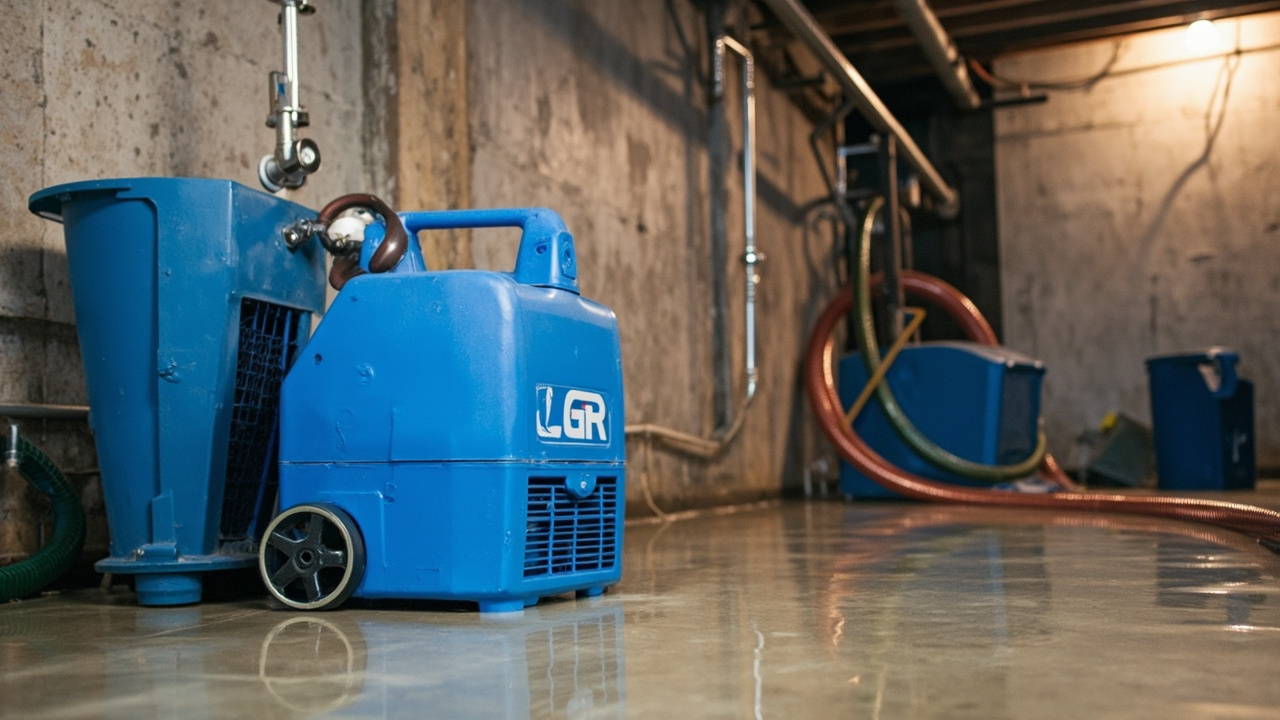
The insurance claims process follows a specific sequence. First, we extract standing water and begin structural drying within hours of your call. This rapid response prevents secondary damage and shows the insurance company you took appropriate mitigation steps. Second, we document all affected areas with photos, moisture readings, and detailed notes about materials requiring removal. Third, we provide your adjuster with a complete scope of work that separates water extraction, structural drying, and mold remediation into distinct line items.

Does home insurance pay for mold removal? Yes, but only when you can prove the mold resulted from a covered peril and that you acted quickly to minimize damage. The key is professional documentation that ties every dollar of remediation directly to the covered water event.

What Happens When You File a Mold Insurance Claim

Does Insurance Cover Mold in Cleveland? – Get Clear Answers on Property Insurance Mold Coverage and Claims Support
01

Initial Damage Assessment

We arrive within hours to document the water source and extent of damage before your insurance adjuster visits. Our team photographs the affected areas, identifies the cause of water intrusion, and takes baseline moisture readings in walls, floors, and ceilings. This creates an evidence trail that proves the damage was sudden and accidental, which is the foundation of any successful mold remediation insurance claim in Cleveland.
02

Claims Documentation and Mitigation

While structural drying equipment runs, we compile a complete damage report for your insurance company. This includes moisture mapping, thermal imaging results, and a detailed scope of necessary mold remediation. We communicate directly with your adjuster to answer questions about the extent of contamination, affected materials, and required containment protocols. Our documentation shows you took immediate action to prevent further damage, which protects your claim from denial.
03

Remediation and Final Verification

Once your claim is approved, we execute the remediation plan under containment protocols that prevent cross-contamination. After removing affected materials and treating surfaces with antimicrobial solutions, we conduct post-remediation air testing to verify mold levels meet acceptable standards. You receive a complete report that closes out your insurance claim and proves your property is safe. This documentation also protects you if you sell the home later.

Why Cleveland Homeowners Need Local Mold and Insurance Expertise

Insurance companies in Ohio use specific policy language that differs from other states. Cleveland homeowners need professionals who understand these nuances and can navigate claim disputes with local adjusters. We work with every major carrier operating in Cuyahoga County, from Nationwide and State Farm to smaller regional insurers.

Our team knows exactly how Cleveland's housing stock affects mold claims. The city's pre-1940s homes in neighborhoods like Lakewood and Cleveland Heights were built before modern moisture barriers existed. When water enters these structures, it saturates plaster walls, wood lath, and floor joists in ways that modern drywall construction does not experience. We document these construction-specific factors to justify higher remediation costs to insurance adjusters who might not understand older building methods.

Local building codes in Cleveland require specific containment and disposal procedures for mold remediation. We maintain relationships with inspectors in the city's Department of Building and Housing, which speeds up permit approvals when structural work requires inspection. This local knowledge prevents delays that could jeopardize your insurance timeline.

Horizon Water Damage Restoration Cleveland has handled hundreds of property insurance mold coverage claims in this market. We know which carriers require independent air testing, which ones accept our internal documentation, and which adjusters consistently undervalue claims. This experience means fewer claim denials and faster approvals.

When your insurance company pushes back on coverage, we provide the technical evidence they need to reverse their decision. We explain how Lake Erie's microclimate creates moisture conditions that accelerate mold growth. We show them how Cleveland's freeze-thaw cycles create the pipe bursts that trigger covered claims. We give them the proof they need to pay your claim fairly.

What to Expect When Filing a Mold Insurance Claim in Cleveland

Immediate Response Timeline

We answer calls 24 hours a day because insurance companies require proof of immediate mitigation. Our team typically arrives at Cleveland properties within 90 minutes of your call. We start water extraction and place drying equipment the same day, which satisfies your policy's requirement to prevent further damage. You must report the loss to your insurance company within 24 to 48 hours, and we provide the documentation you need to file that initial claim accurately. Speed matters because every hour of delay gives your insurance company ammunition to deny coverage based on your failure to mitigate.

Comprehensive Damage Evaluation

Our initial assessment goes far beyond what you can see. We use moisture meters to check behind baseboards, inside wall cavities, and under flooring materials. Thermal imaging reveals hidden water migration patterns that indicate where mold is likely growing. We test air quality to establish baseline spore counts, which proves the extent of contamination to your insurance adjuster. This evaluation typically takes two to three hours and results in a detailed report that itemizes every affected material and required remediation step. Insurance companies cannot dispute claims backed by this level of technical documentation.

Professional Remediation Results

Mold remediation in Cleveland homes requires containment barriers, negative air pressure, HEPA filtration, and proper disposal of contaminated materials. We follow IICRC S520 standards, which insurance companies recognize as the industry benchmark for professional work. After removing affected materials and treating surfaces, we conduct clearance testing to verify mold levels meet safe thresholds. You receive lab reports, before and after photos, and a certificate of completion that satisfies your insurance company's requirements. This documentation also protects your home's resale value by proving the mold was properly addressed.

Post-Remediation Support and Prevention

Your insurance claim closes once remediation is complete, but your risk does not end there. We provide recommendations for preventing future mold growth, including dehumidification strategies for Cleveland's humid summers and ventilation improvements for moisture-prone areas. If your claim involved a pipe burst or appliance failure, we identify the root cause and suggest repairs to prevent recurrence. Many homeowners insurance policies exclude future mold claims if the same problem happens again, so prevention is critical. We also keep your documentation on file, which helps if you need to reference the work during a home sale or refinance.

Frequently Asked Questions

You Have Questions,
We Have Answers

Should I tell my insurance company about mold? +

Yes, you should report mold to your insurance company if it resulted from a covered peril like sudden pipe bursts or storm damage. In Cleveland, where freeze-thaw cycles and Lake Erie humidity create frequent water intrusion issues, document the source immediately with photos. Do not delay. Most policies require prompt notification of damage. However, if the mold developed from long-term neglect or maintenance issues like slow leaks you ignored, your claim may be denied. Be honest about the timeline and cause when filing.

Can you claim for mold on house insurance? +

You can claim mold on house insurance only if it stems from a covered peril. Standard homeowners policies in Cleveland typically cover mold resulting from sudden water damage like burst pipes, appliance leaks, or storm-related roof damage. They do not cover mold from gradual issues like chronic basement seepage, foundation cracks, or deferred maintenance. Read your policy declarations page carefully. Many Cleveland carriers limit mold remediation coverage to $5,000 to $10,000 unless you purchased additional endorsements specifically for fungal contamination.

How long does it take for mold to spread in walls? +

Mold can colonize porous surfaces within 24 to 48 hours if moisture persists. Inside Cleveland walls, where older homes often lack vapor barriers and humidity spikes from Lake Erie weather, active growth spreads rapidly through drywall, insulation, and wood framing. Spores travel through HVAC ducts and wall cavities. If you detect water damage in your Cleveland home, address it immediately. The longer moisture sits, the deeper mold penetrates structural materials, increasing remediation costs and health risks. Speed is critical.

Is mold exposure covered by insurance? +

Mold exposure itself is not covered by homeowners insurance. Standard policies cover property damage, not personal injury or health effects. If you develop respiratory issues or allergic reactions from mold in your Cleveland home, your health insurance may cover medical treatment, but property carriers will not compensate for bodily harm. Liability coverage may apply if a guest becomes ill due to mold in your home, but proving direct causation is difficult. Focus on preventing exposure by addressing water damage quickly.

What is the average cost of mold removal? +

Mold removal costs vary widely based on contamination extent and location. Small, contained areas may cost a few hundred dollars for DIY solutions. However, professional remediation in Cleveland homes, especially older properties with hidden wall cavities and basements prone to seepage, typically ranges from several hundred to several thousand dollars. Extensive structural mold requiring drywall removal, HVAC cleaning, and air filtration systems can escalate significantly. Costs depend on square footage affected, materials involved, and contamination severity. Always get multiple estimates from certified remediators.

Will my rates go up if I file a mold claim? +

Filing a mold claim can potentially increase your premiums, depending on your carrier and claims history. Cleveland insurers view mold claims as red flags for ongoing moisture problems or poor home maintenance. If your claim is approved, expect scrutiny during renewal. Some carriers may non-renew your policy or exclude future mold coverage. Before filing, weigh the claim payout against potential rate hikes and coverage restrictions. If remediation costs fall near your deductible, paying out-of-pocket may protect your insurability and rates long-term.

How much can you claim for mold? +

Claim limits for mold remediation depend entirely on your policy language. Most standard Cleveland homeowners policies cap mold coverage between $5,000 and $10,000, regardless of actual damage costs. Some carriers offer $1,000 limits or exclude mold entirely unless you purchase separate endorsements. Review your declarations page to understand your specific cap. If your home has known moisture issues, consider purchasing higher limits or standalone fungal contamination coverage. Without adequate limits, you will pay the difference out-of-pocket for extensive remediation.

What to do if you can't afford mold removal? +

If you cannot afford mold removal, explore these options. First, contact your insurance carrier to confirm coverage, even if the source seems excluded. Some Cleveland homeowners qualify for emergency home repair grants through Cuyahoga County or nonprofit housing agencies. Second, ask remediation contractors about payment plans or financing options. Third, address small areas yourself using proper safety equipment and EPA-approved methods. Do not ignore mold. It worsens over time, damages your home's structure, and creates health risks. Act quickly to prevent escalation.

What types of mold does insurance cover? +

Insurance typically covers mold resulting from sudden, accidental water damage. Covered perils include burst pipes, appliance malfunctions, roof leaks from storm damage, and water damage from firefighting efforts. In Cleveland, this includes ice dam leaks and sudden sump pump failures during heavy rains. Insurance does not cover mold from gradual issues like chronic basement moisture, condensation, flooding, or maintenance neglect. Black mold, green mold, and other species are treated equally. Coverage depends on the cause, not the mold type. Read your policy exclusions carefully.

What are the first signs of mold sickness? +

Early mold sickness signs include persistent coughing, sneezing, nasal congestion, itchy eyes, and throat irritation. Cleveland residents with asthma or allergies may experience worsened symptoms, including wheezing and shortness of breath. Prolonged exposure can cause headaches, fatigue, and skin rashes. If you notice a musty odor or visible mold in your home and develop these symptoms, seek medical attention. Document your symptoms and the mold source. While homeowners insurance does not cover health effects, your health insurance should cover diagnostic testing and treatment.

How Cleveland's Lake Erie Climate Creates Mold Insurance Challenges

Cleveland sits on the southern shore of Lake Erie, which creates year-round moisture challenges that directly impact homeowners insurance mold coverage. Summer humidity routinely exceeds 70 percent, causing condensation inside attics and crawl spaces. Winter lake-effect snow loads stress roofs and gutters, leading to ice dam formation that forces water under shingles. Spring thaw cycles saturate the ground around foundations, creating hydrostatic pressure that pushes water through basement walls. These climate conditions make Cleveland homes particularly vulnerable to the sudden water intrusions that trigger insurance coverage, but they also create the chronic moisture problems that insurance specifically excludes. Understanding this distinction is critical when filing mold remediation insurance claims.

Cleveland's older housing stock in neighborhoods like Detroit-Shoreway and Edgewater compounds these moisture challenges. Homes built before 1950 lack vapor barriers, have inadequate foundation drainage, and use absorbent materials like plaster and wood lath that hold moisture longer than modern building materials. Insurance adjusters in this market understand these construction realities, which means they scrutinize claims more carefully to separate sudden damage from deferred maintenance. Working with a local water damage restoration company that documents these specific conditions gives you leverage when insurance companies try to deny claims based on age or maintenance history. We know how to prove that your mold resulted from a covered event, not from the natural aging of your Cleveland home.
Water Damage Restoration Services in The Cleveland Area

Horizon Water Damage Restoration Cleveland proudly serves the entire Cleveland area and its surrounding communities. Our team is strategically located to ensure a rapid response to your water damage emergency. We are committed to being there for you when you need us most. Please view the map to see our service area and feel free to reach out to us with any questions or for immediate assistance.

Address:
Horizon Water Damage Restoration Cleveland, 3224 Prospect Ave E, Cleveland, OH, 44115

Additional Services We Offer

Our news updates

Latest Articles & News from The Blogs

South Euclid basements face a relentless battle against groundwater due to the heavy clay soil common across the Cleveland metro…

Why South Euclid homeowners need more than a standard dehumidifier for wet basements

South Euclid basements face a relentless battle against groundwater due to the heavy clay soil common across the Cleveland metro…

Why your air conditioner is leaking through the ceiling in Broadview Heights

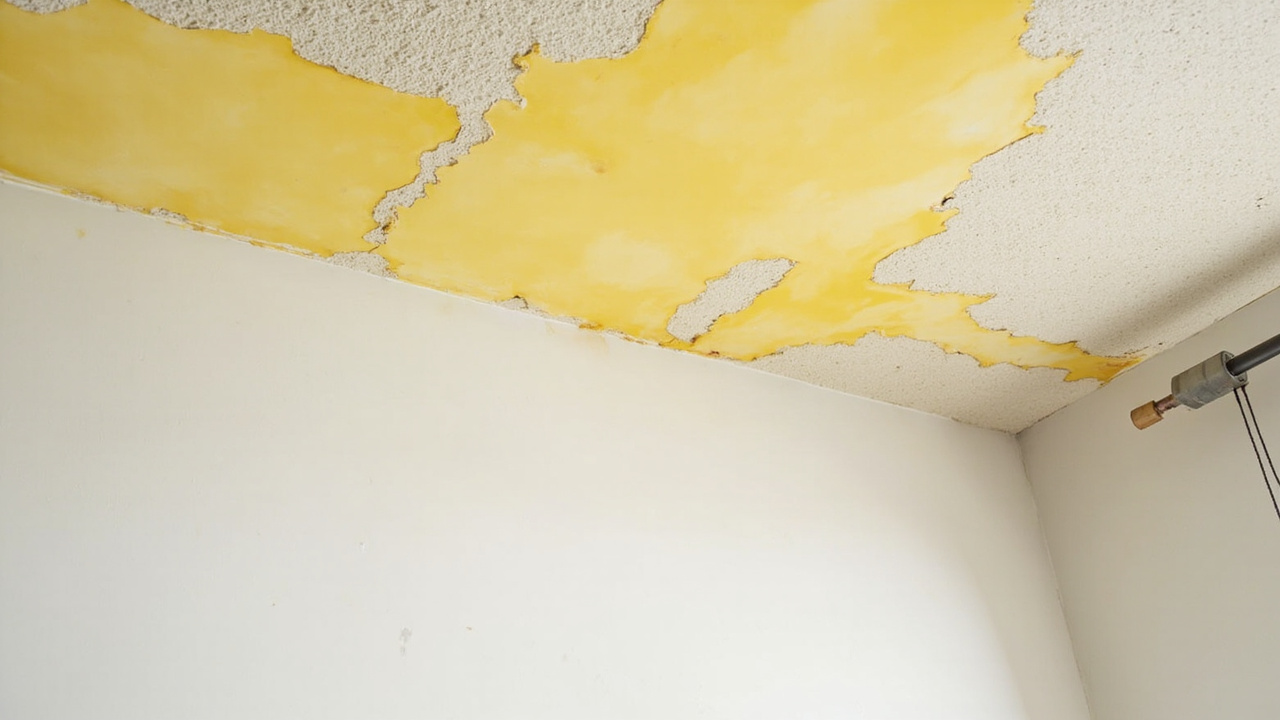
AC Condensate Leak Water Damage Solutions for Cleveland Homeowners A yellow stain appearing on your second floor ceiling often signals…

Can Water Get Trapped Under the Tile in Your Woodmere Kitchen

Water trapped under kitchen tile is a hidden threat for many Woodmere homeowners. You might see a beautiful porcelain or…

Contact Us

Insurance companies deny mold claims every day because homeowners lack proper documentation. Call Horizon Water Damage Restoration Cleveland at (216) 547-1277 right now. We document your damage correctly, communicate with your adjuster professionally, and give you the evidence you need for claim approval.